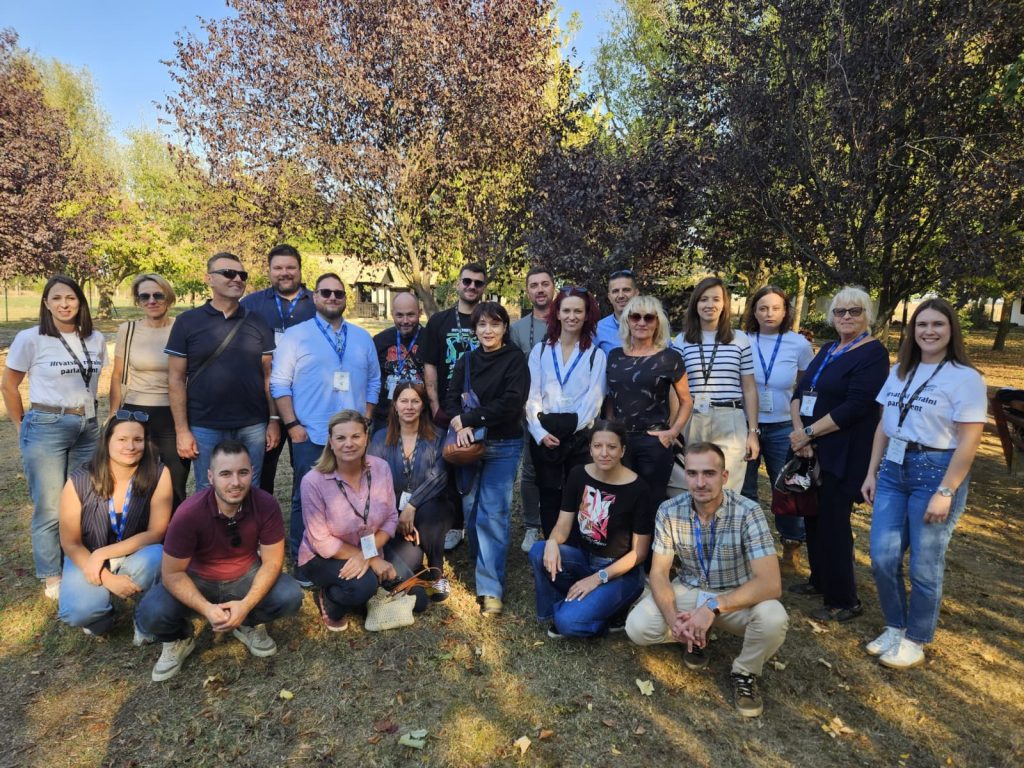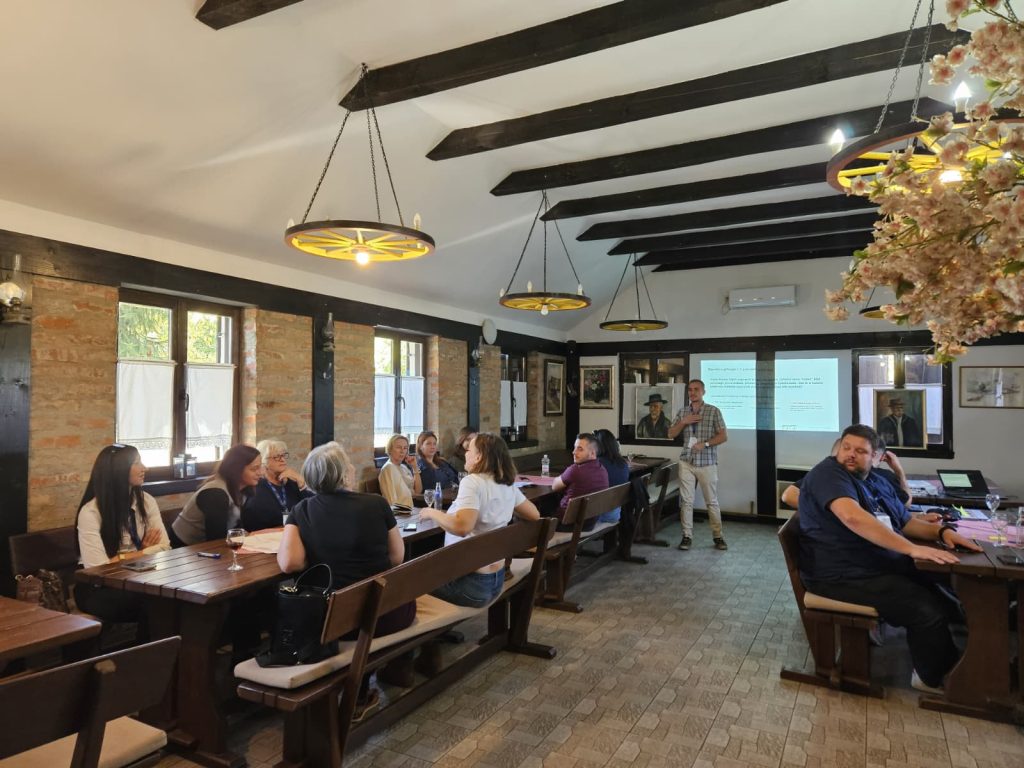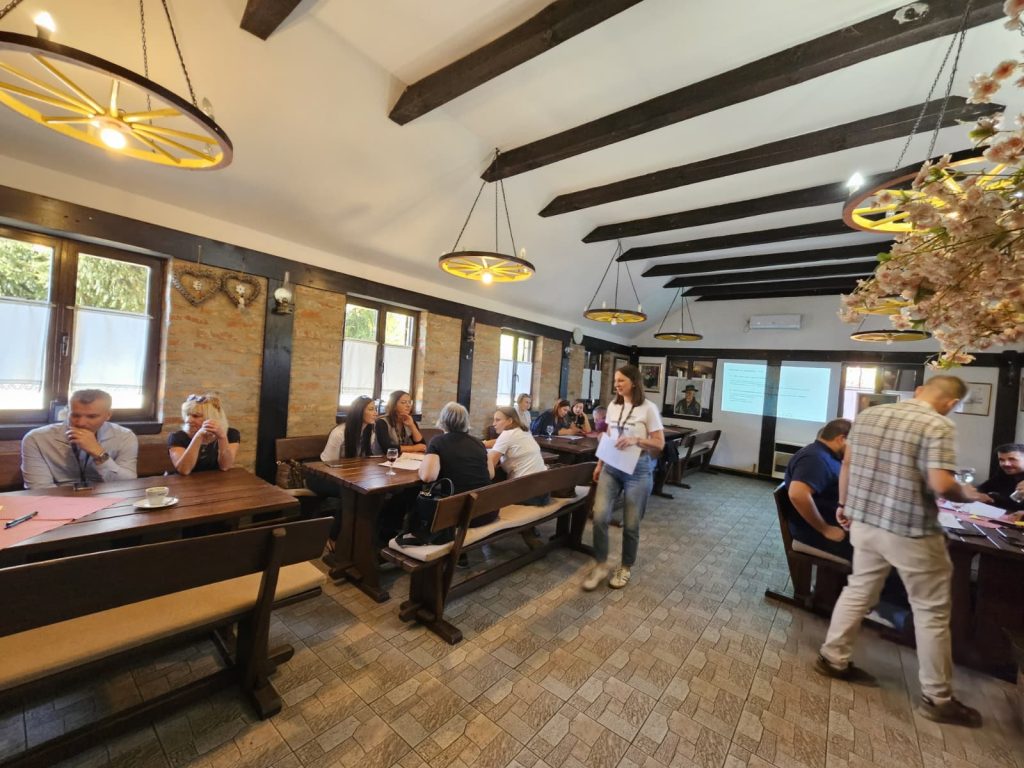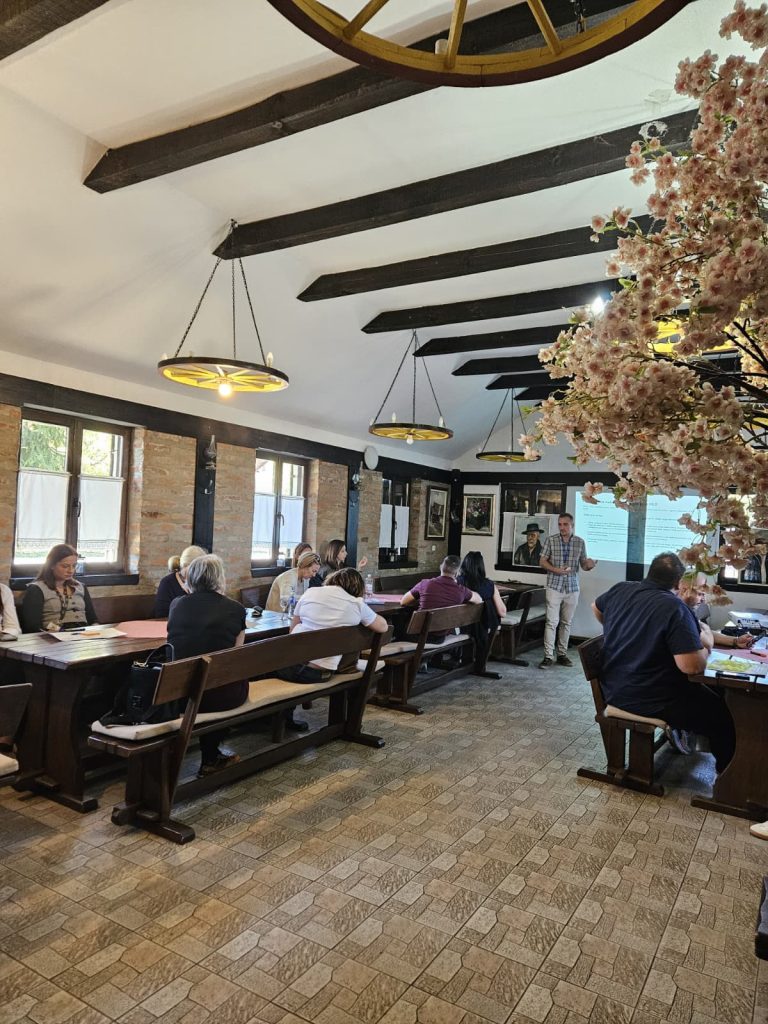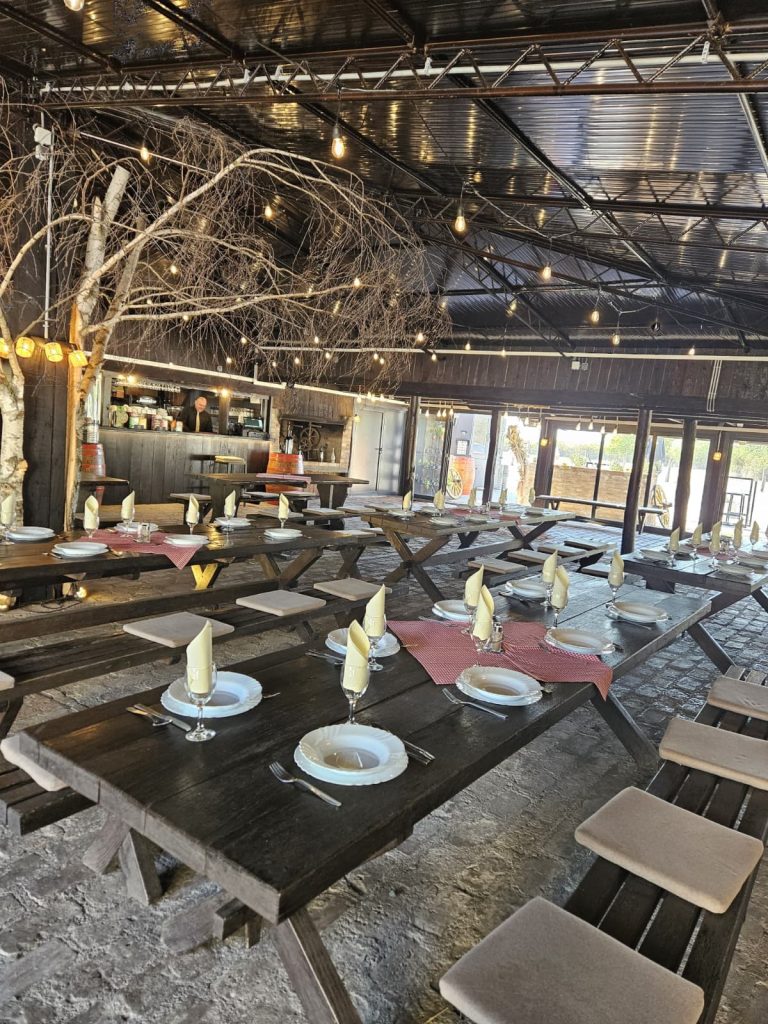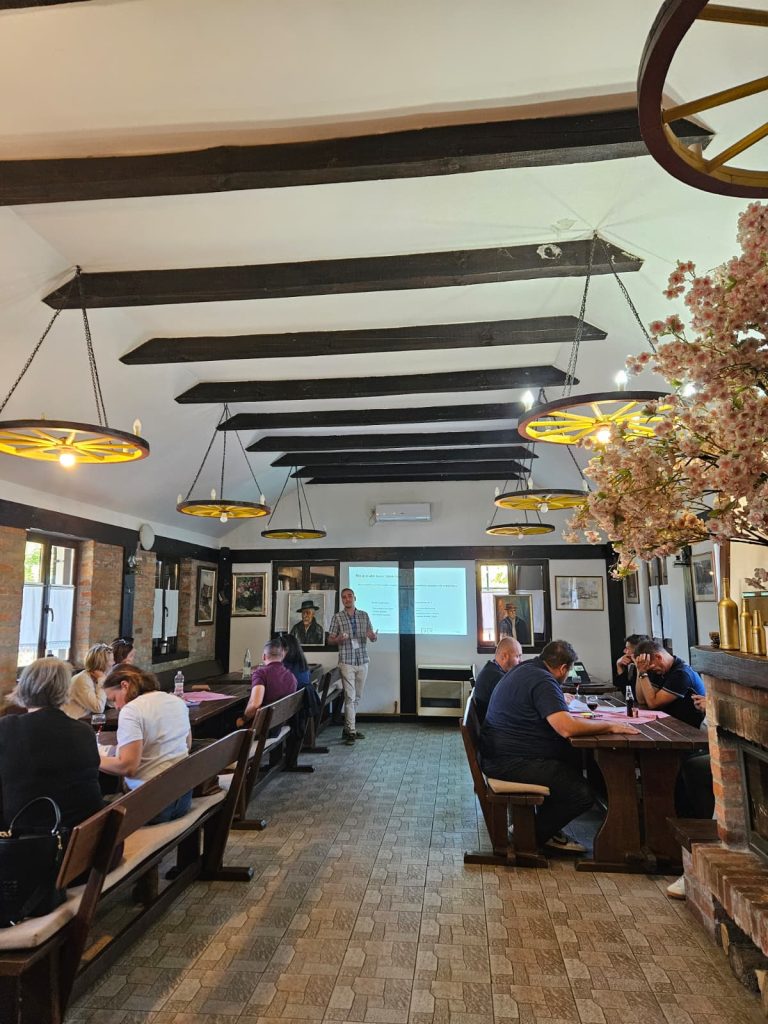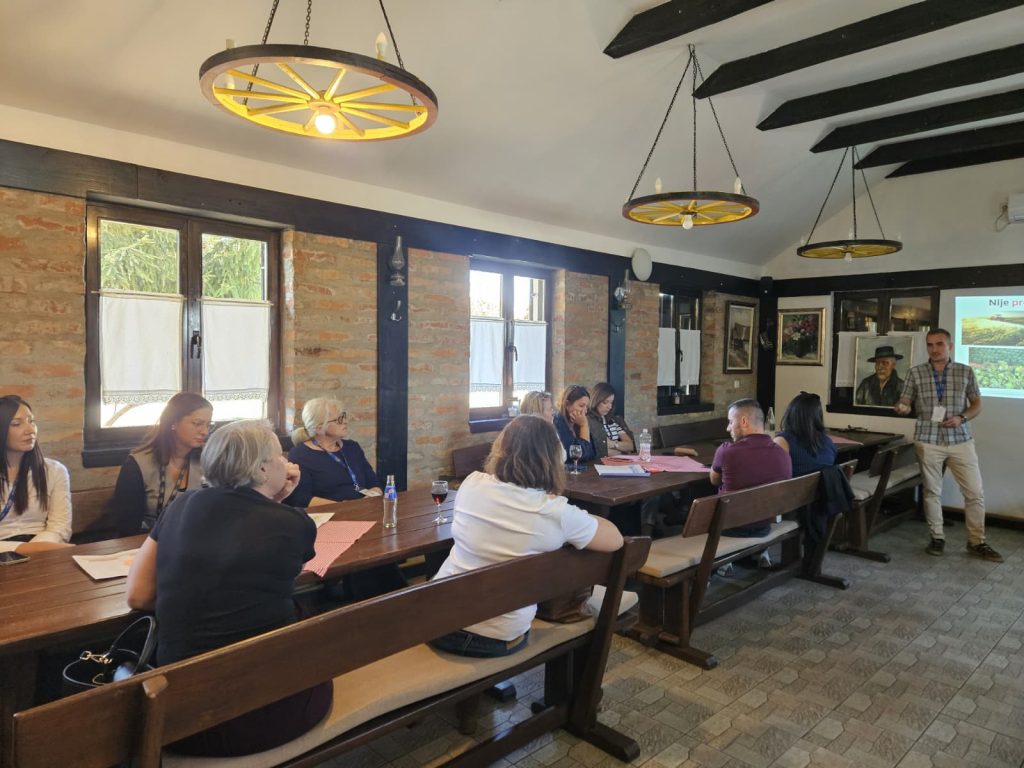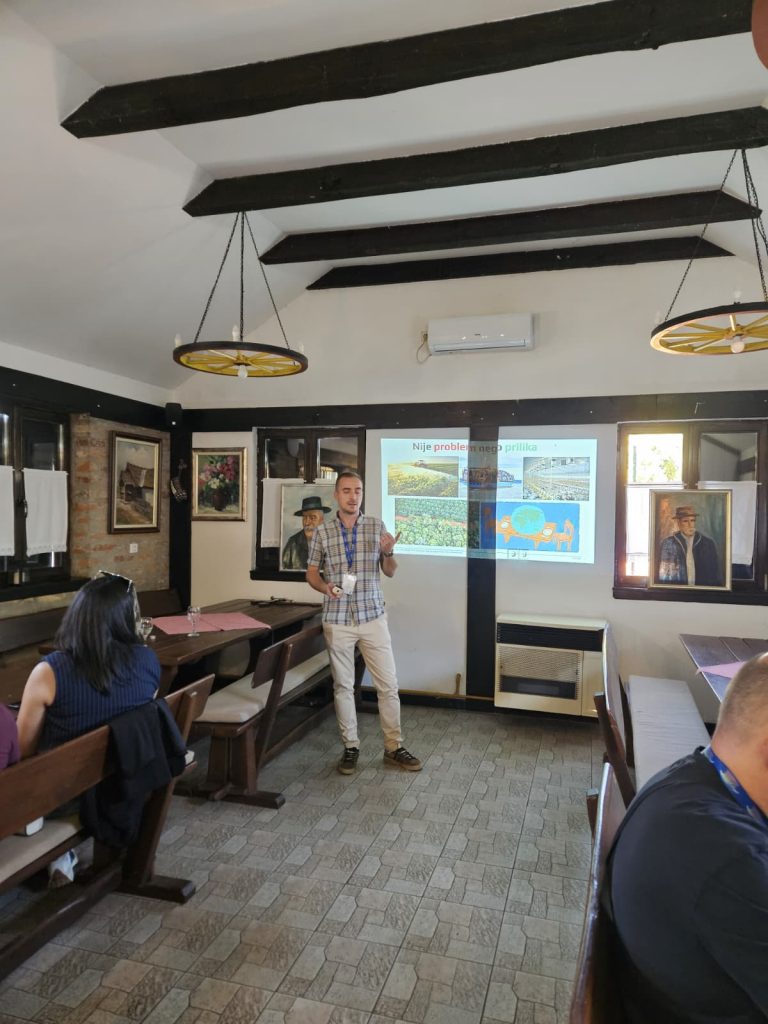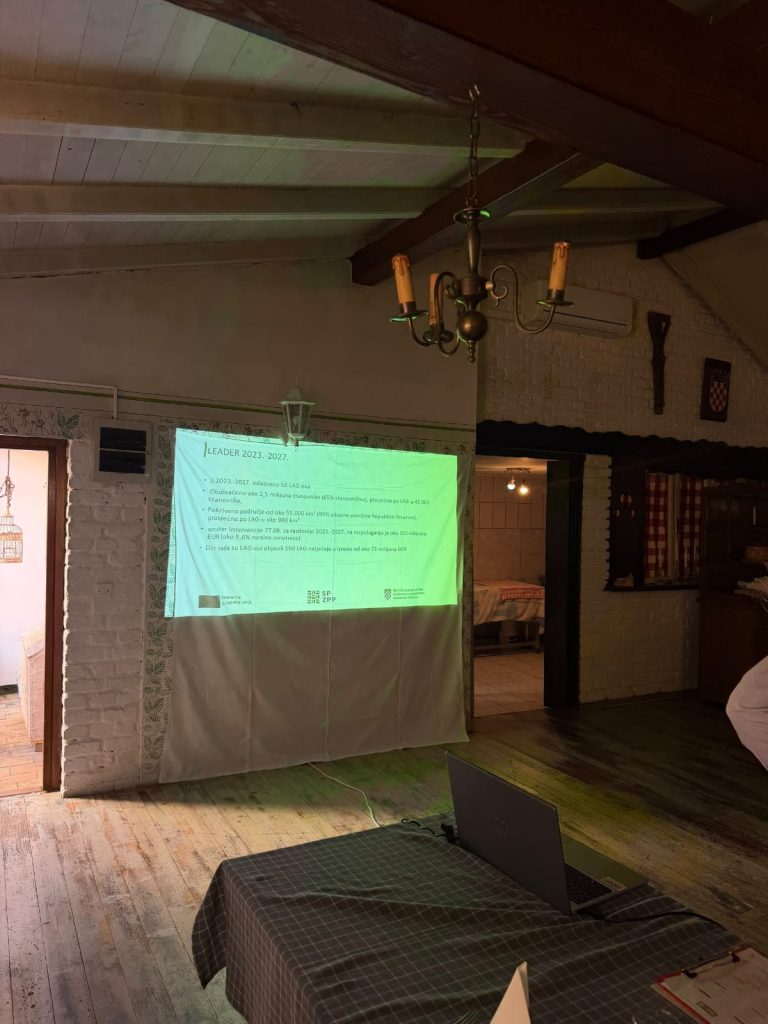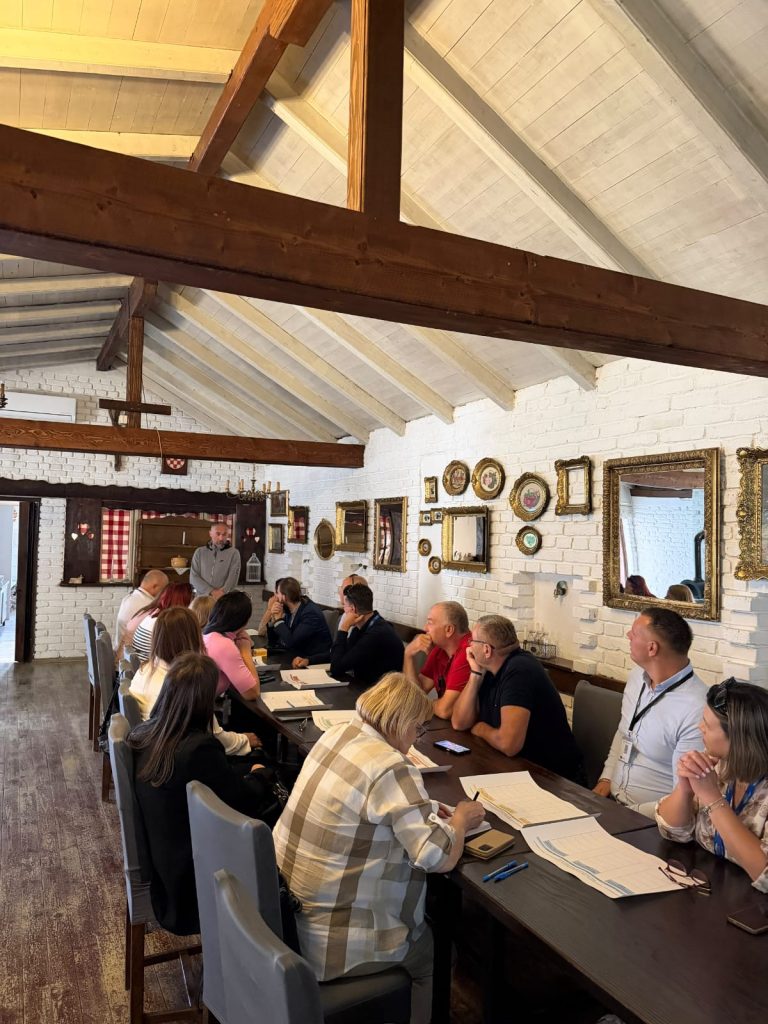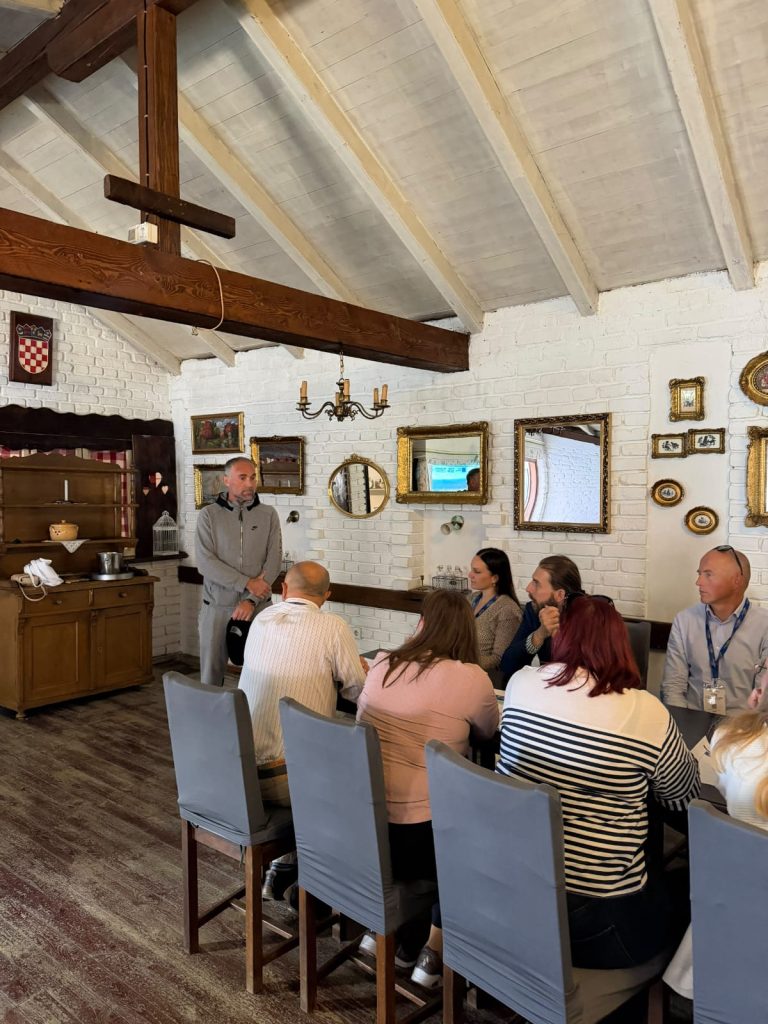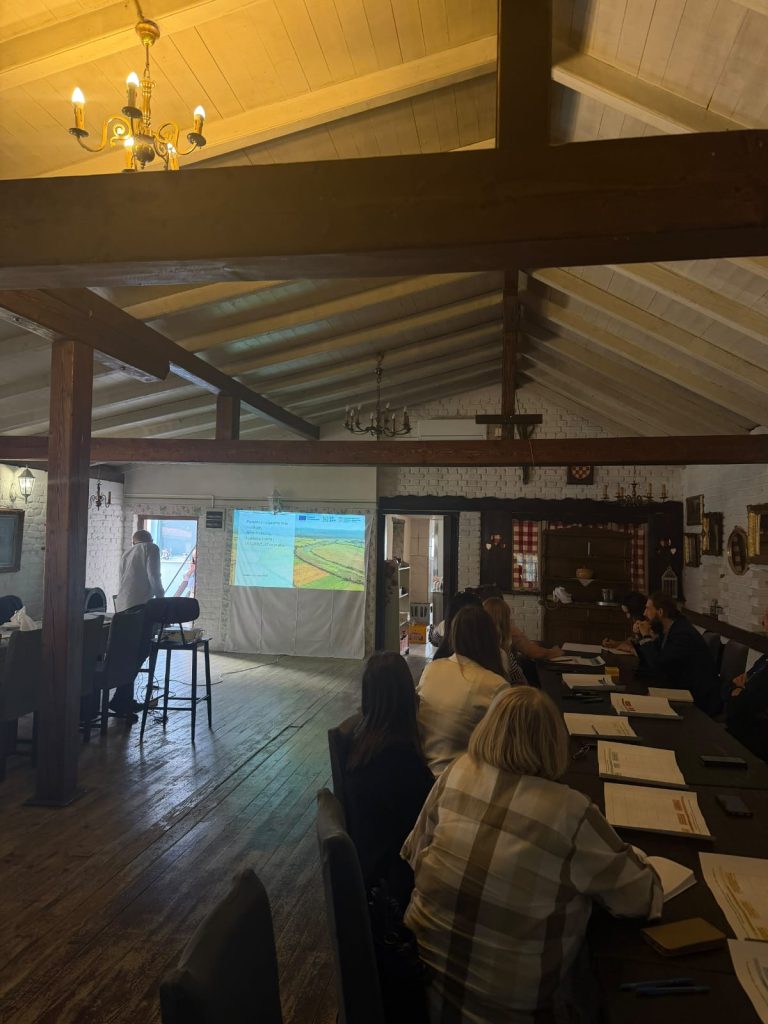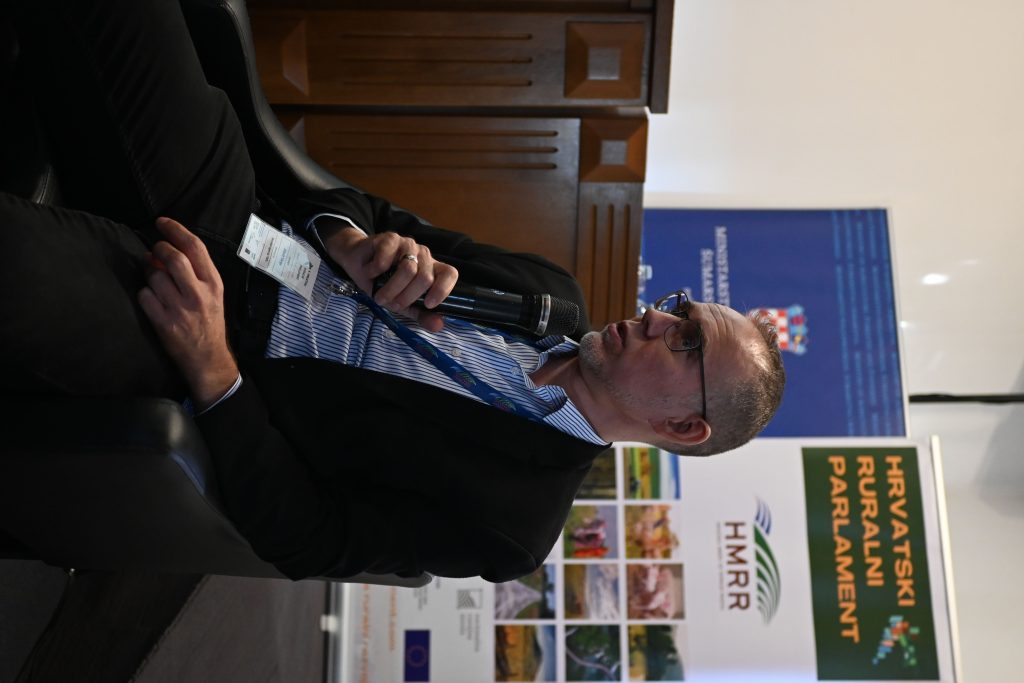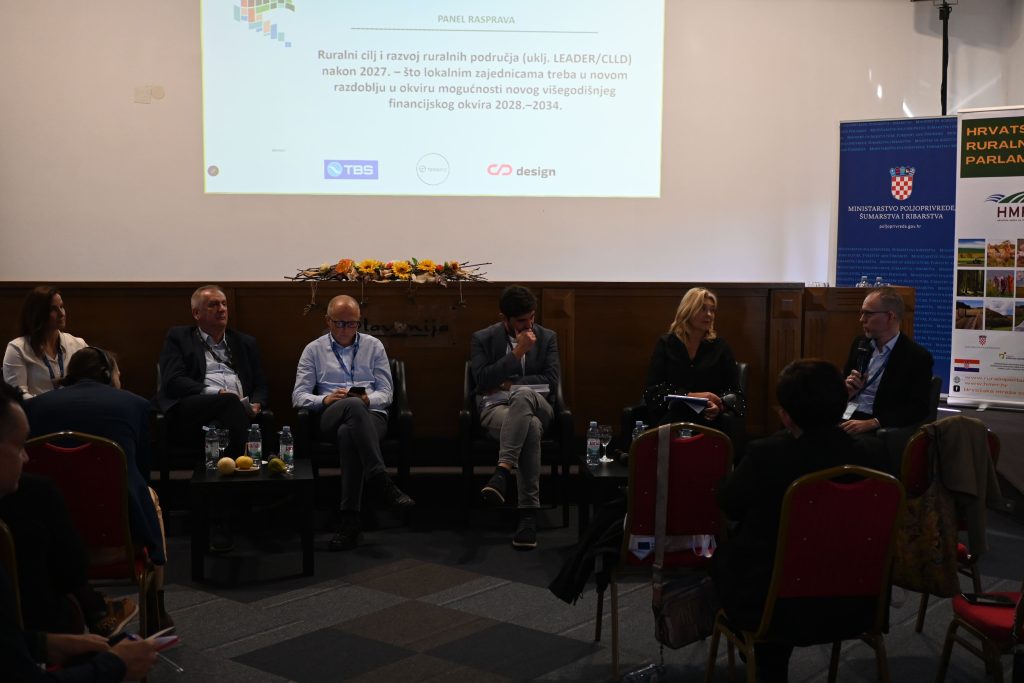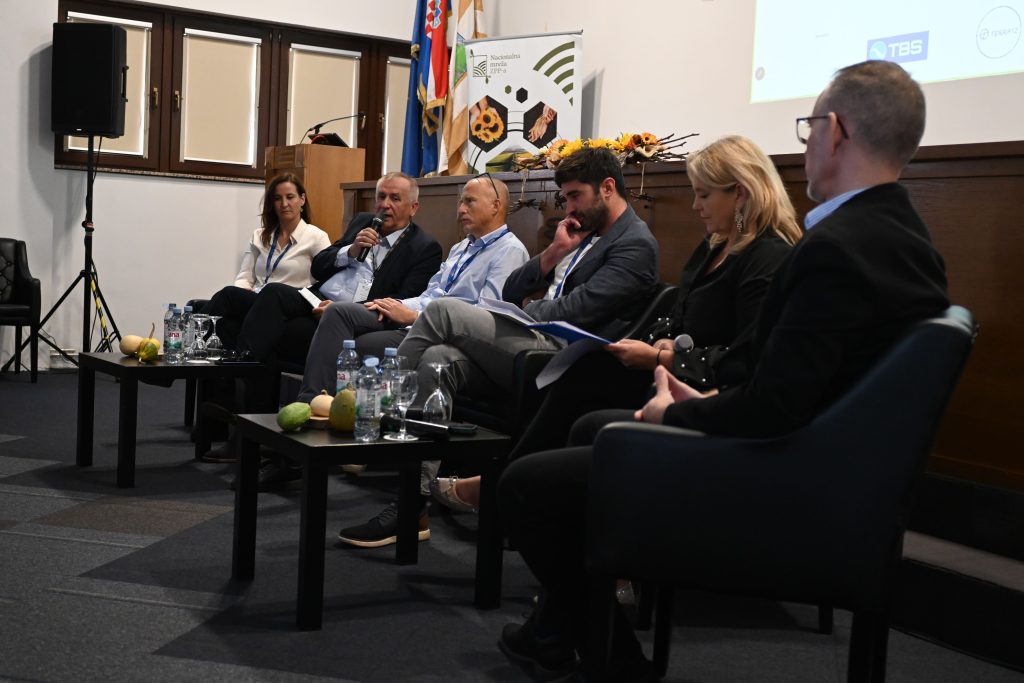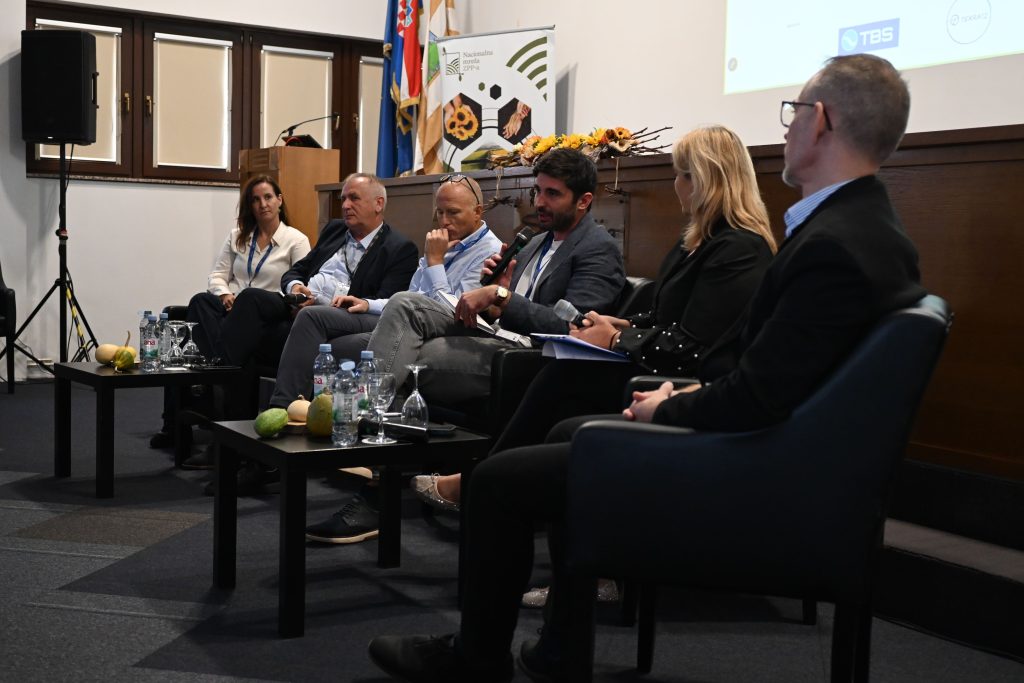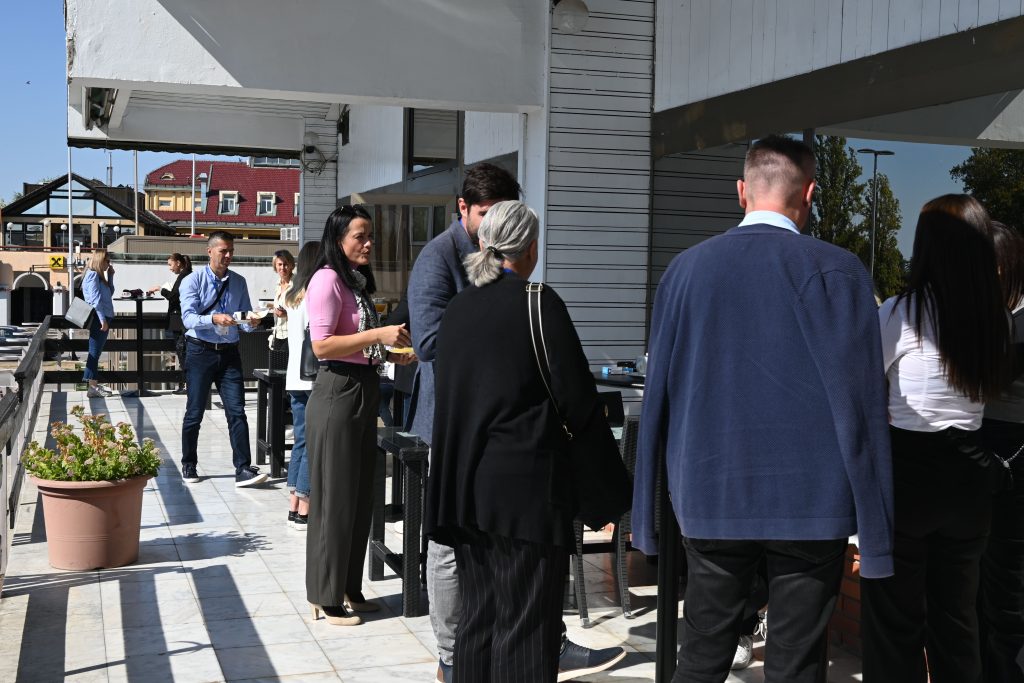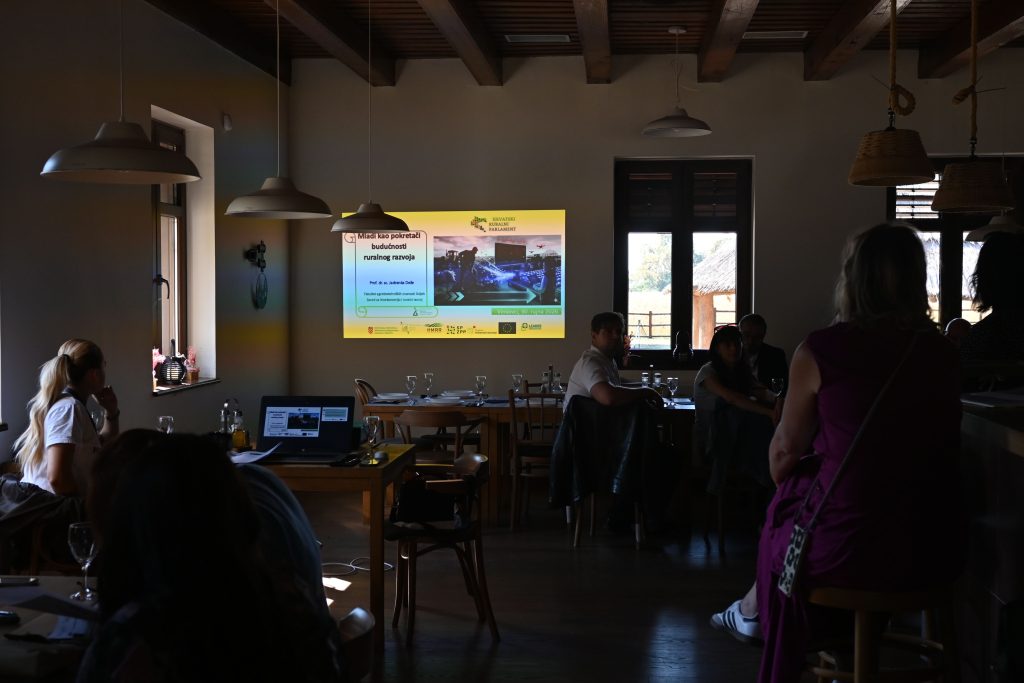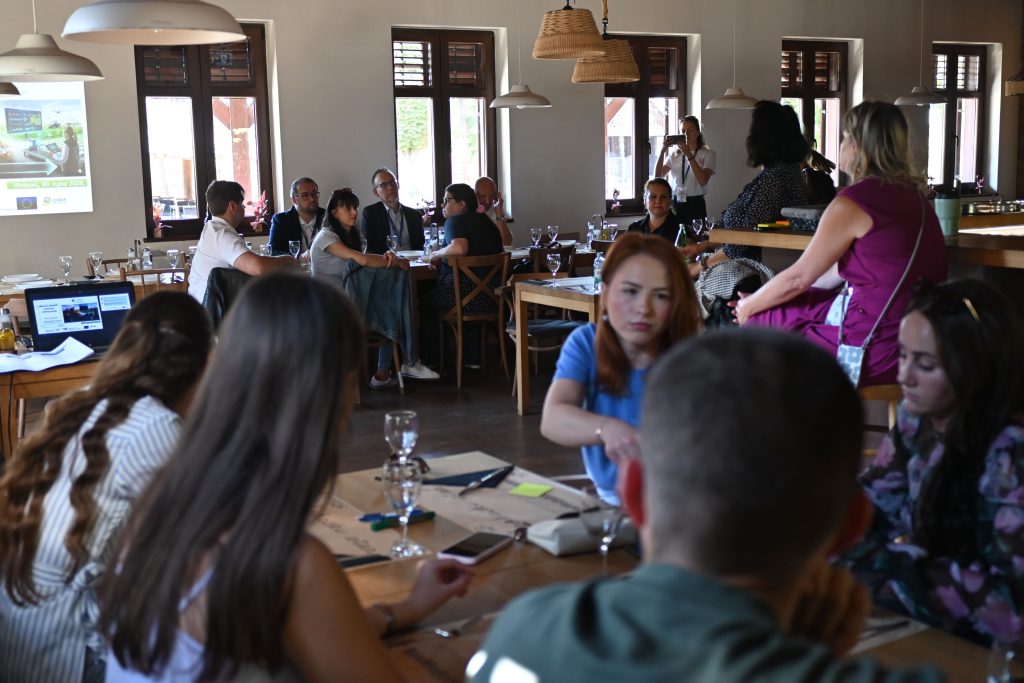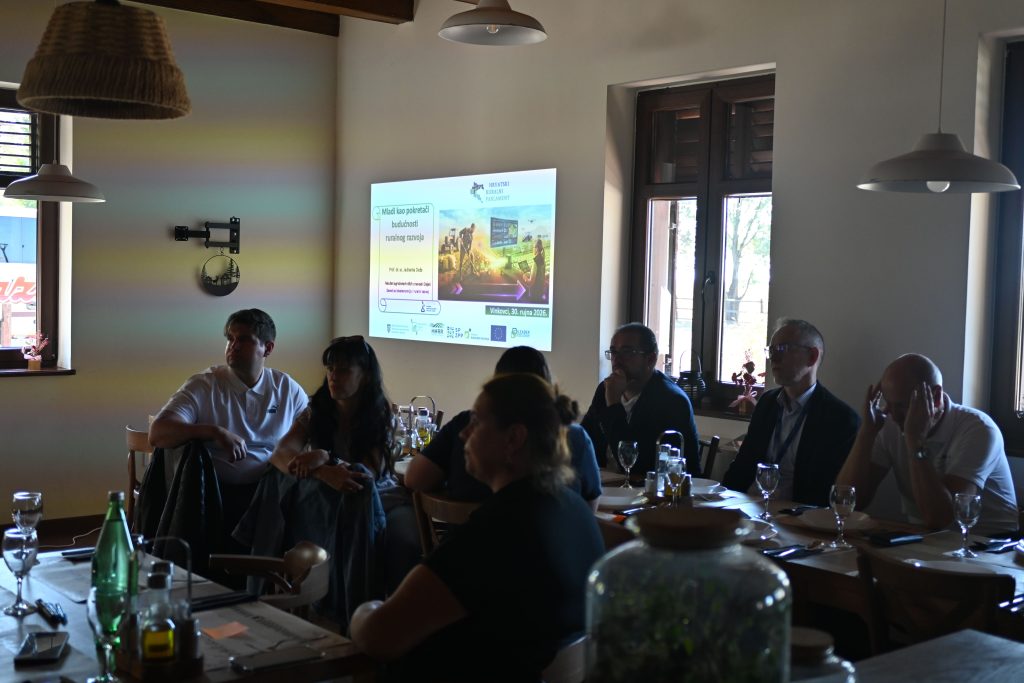
The second day of the 6th Croatian Rural Parliament, held in Vinkovci on 30 September 2026, focused on the role of the LEADER/CLLD approach in local development, the future of rural areas after 2027, and the concrete needs and experiences of rural communities.
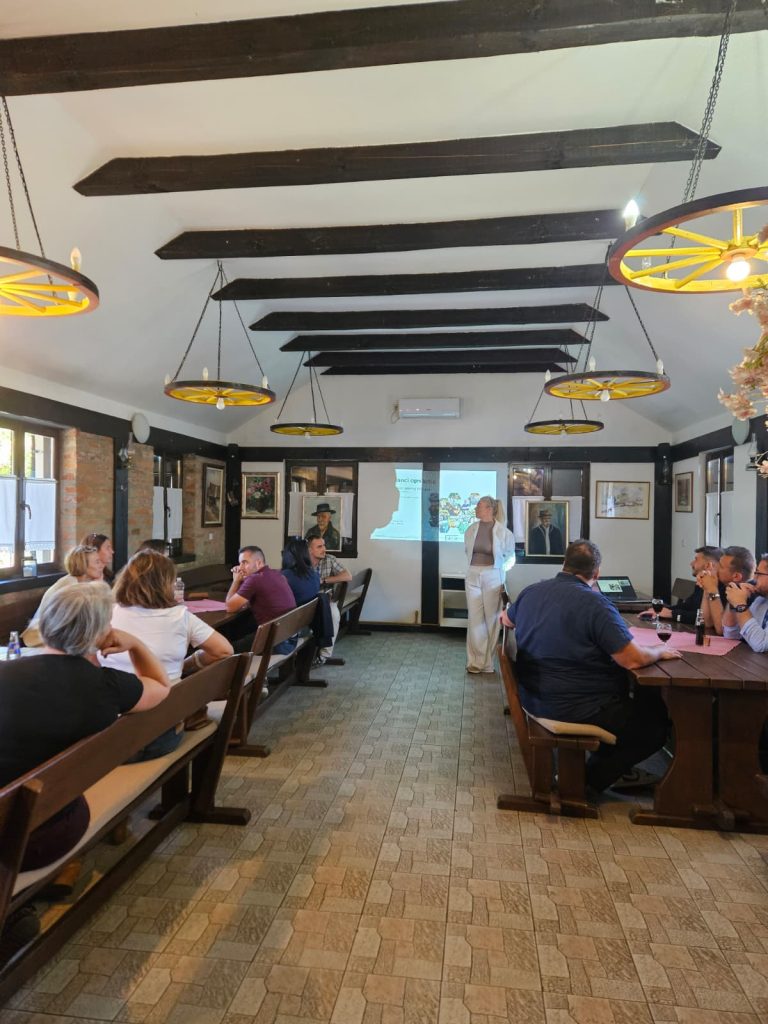
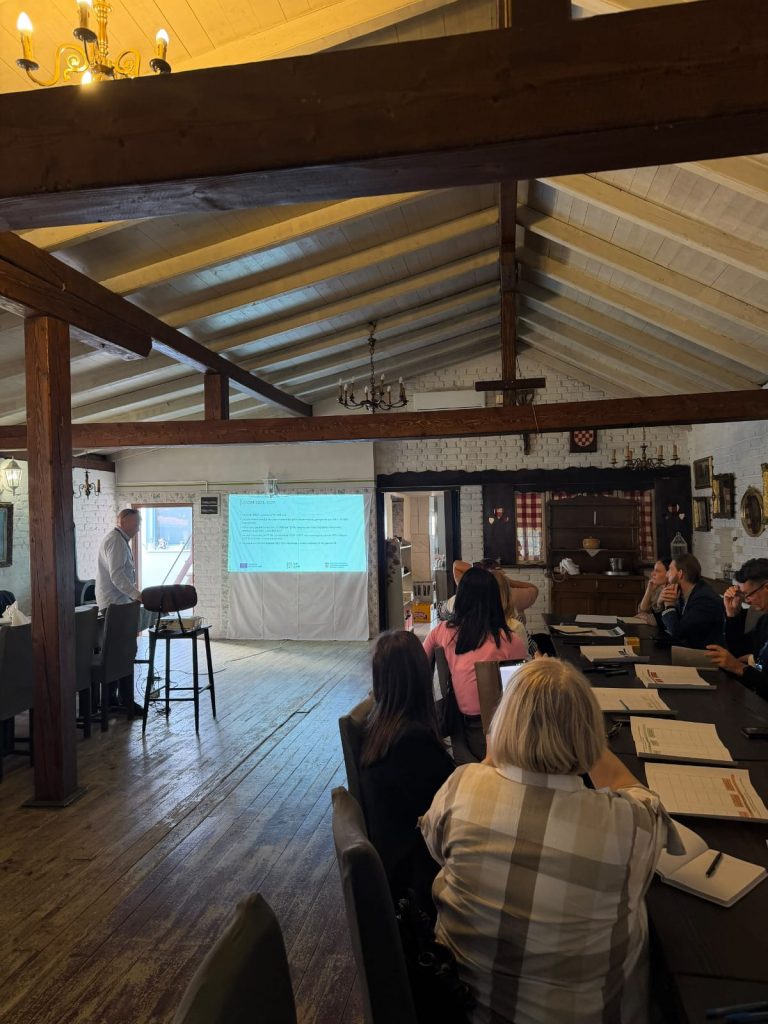
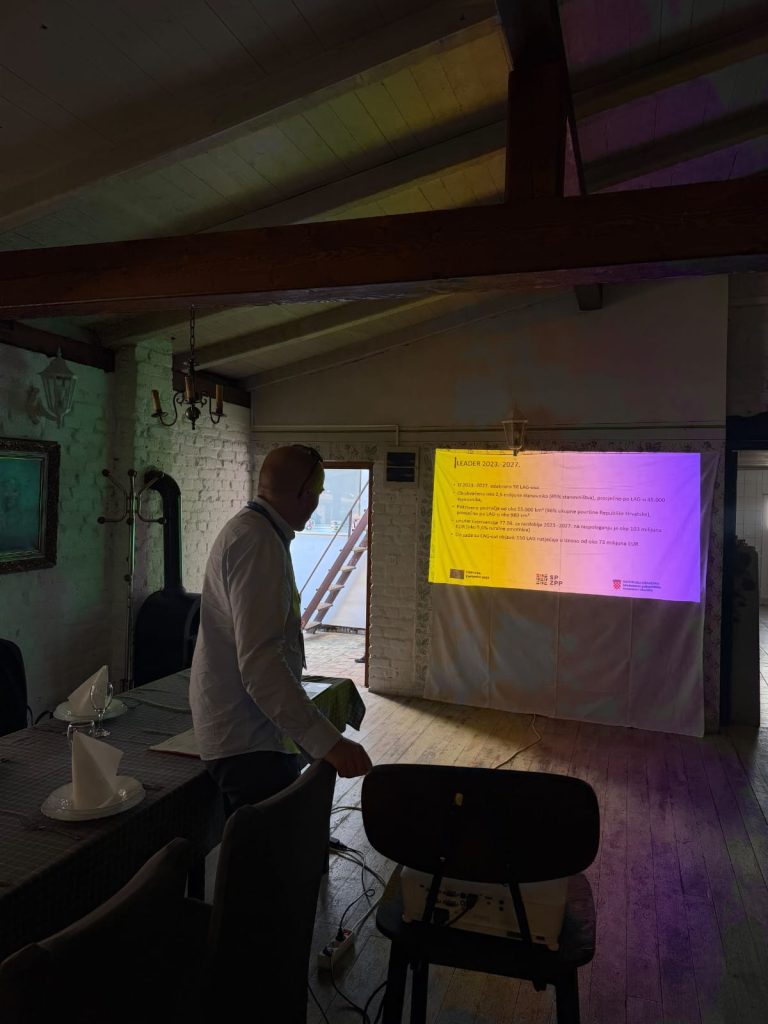
The programme began with a presentation on LEADER Youth: experiences, challenges and opportunities for rural development, highlighting opportunities for stronger involvement of young people in the development of local communities and the work of Local Action Groups.
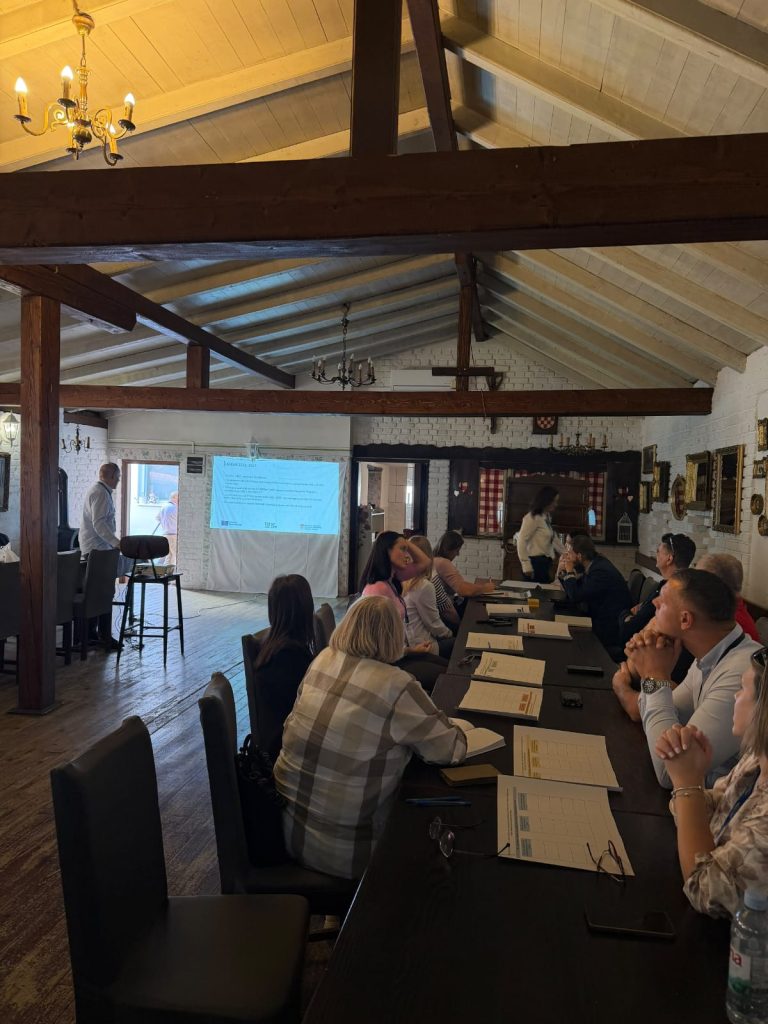
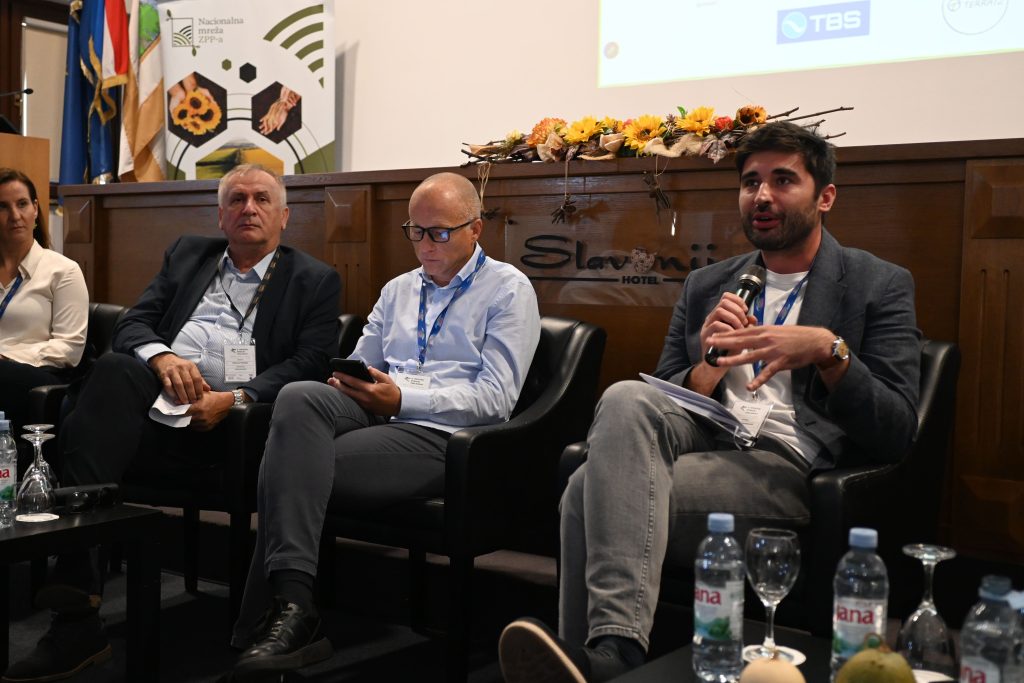
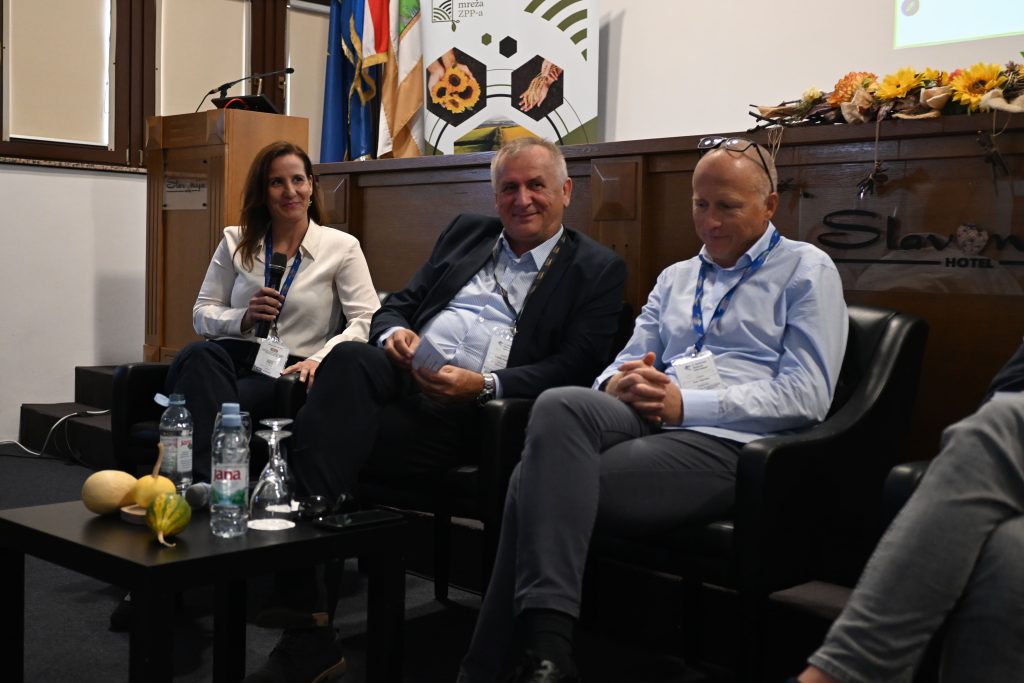
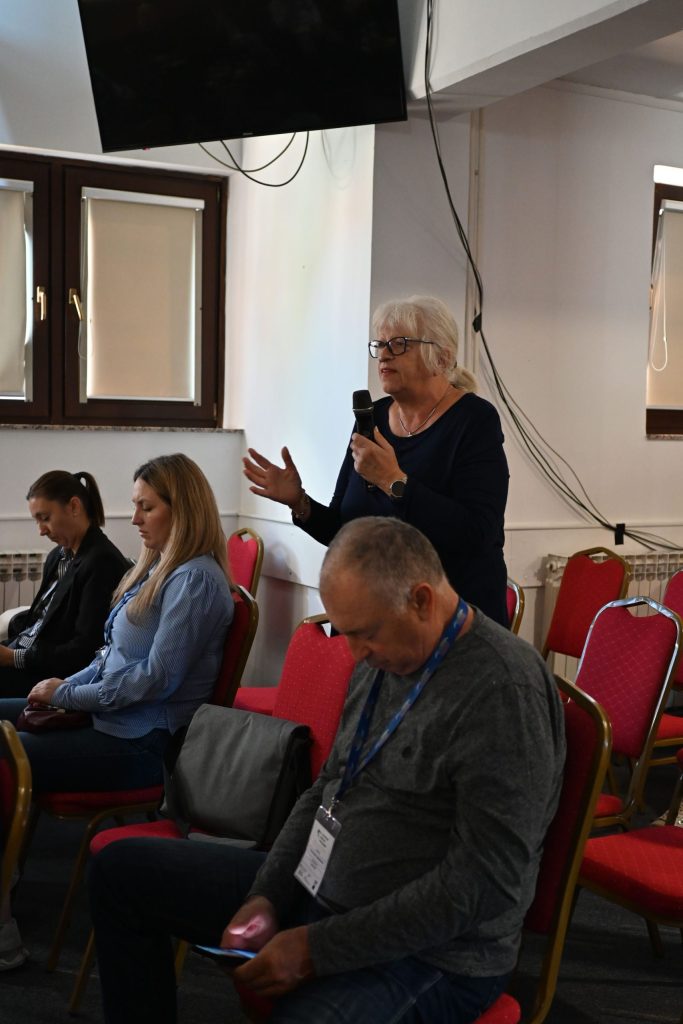
This was followed by the panel discussion “The added value of LEADER/CLLD as support for evidence-based local development of rural communities and youth involvement through LEADER Youth”. Representatives of Local Action Groups, local authorities, the Ministry of Agriculture, Forestry and Fisheries, LEADER beneficiaries and the Croatian LEADER Network discussed how LEADER can be further strengthened as a development instrument based on the real needs of local communities, while also creating more opportunities for young people to become actively involved in rural development.
The second panel focused on “The rural objective and development of rural areas, including LEADER/CLLD, after 2027 – what local communities need in the new period within the possibilities of the 2028–2034 Multiannual Financial Framework.” Representatives of the Ministry, development institutions, LAGs, local organisations and the National Foundation discussed the challenges facing rural areas in the next programming period and the need for future policies and funding to better reflect different local circumstances and needs.
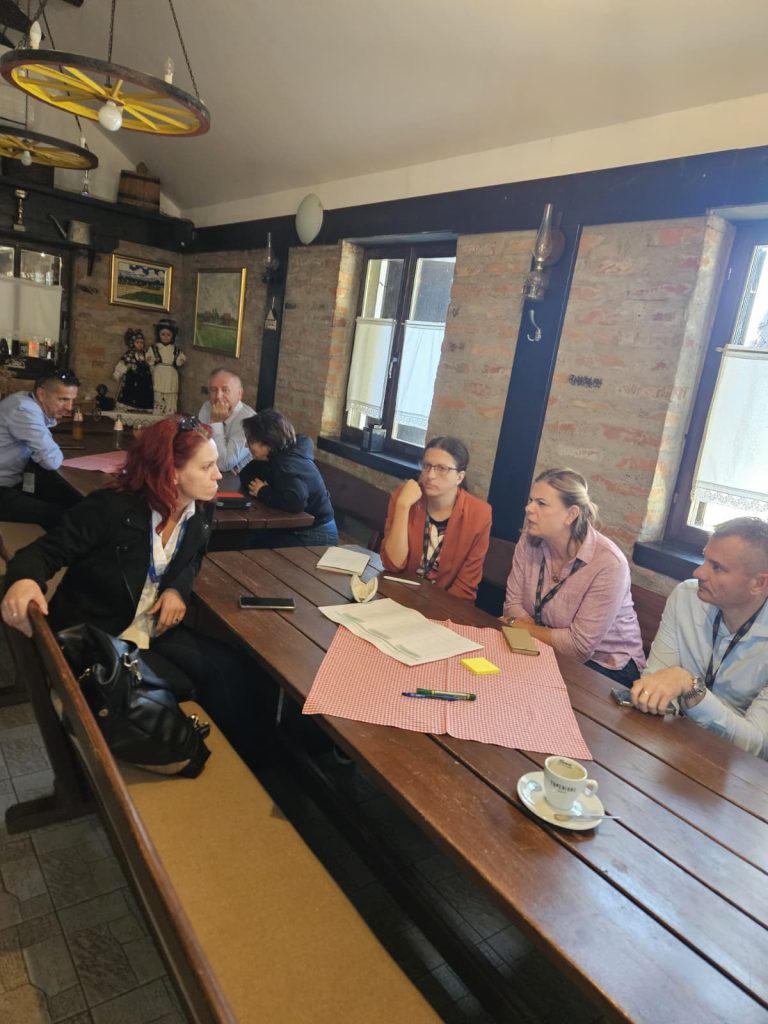
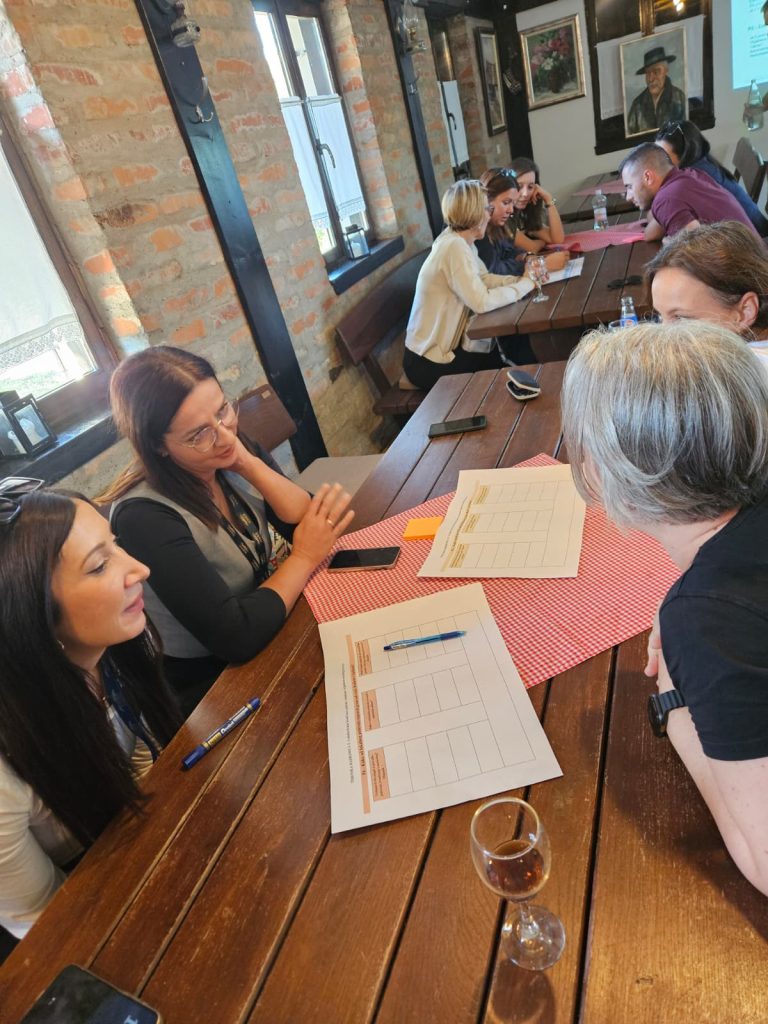
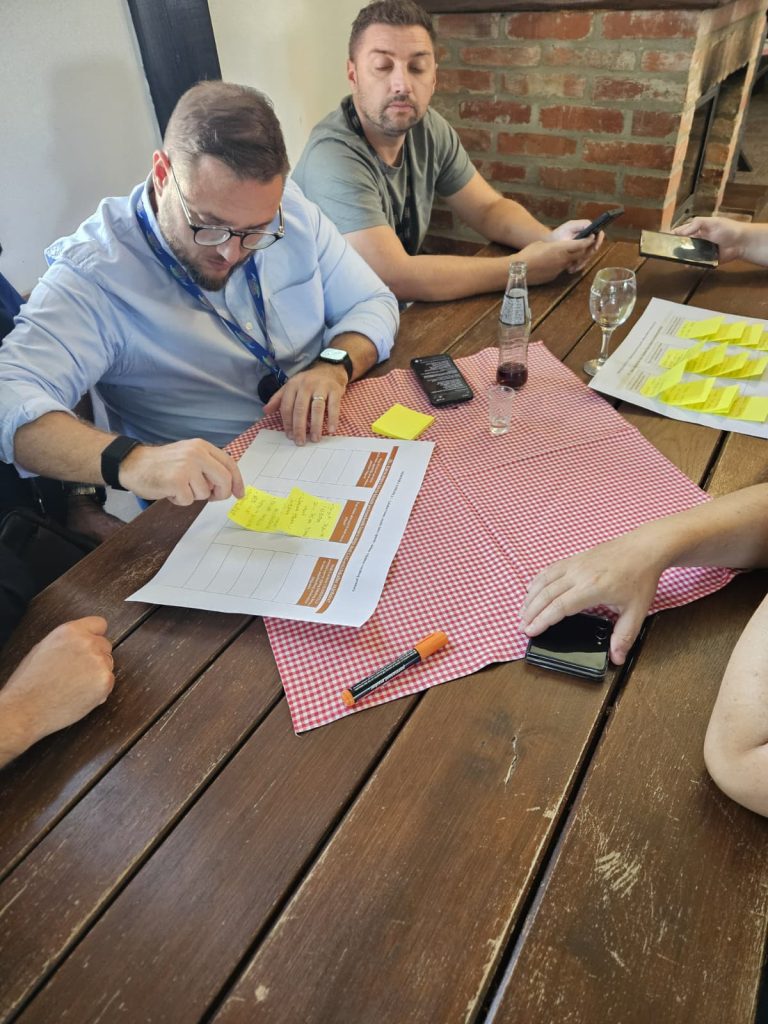
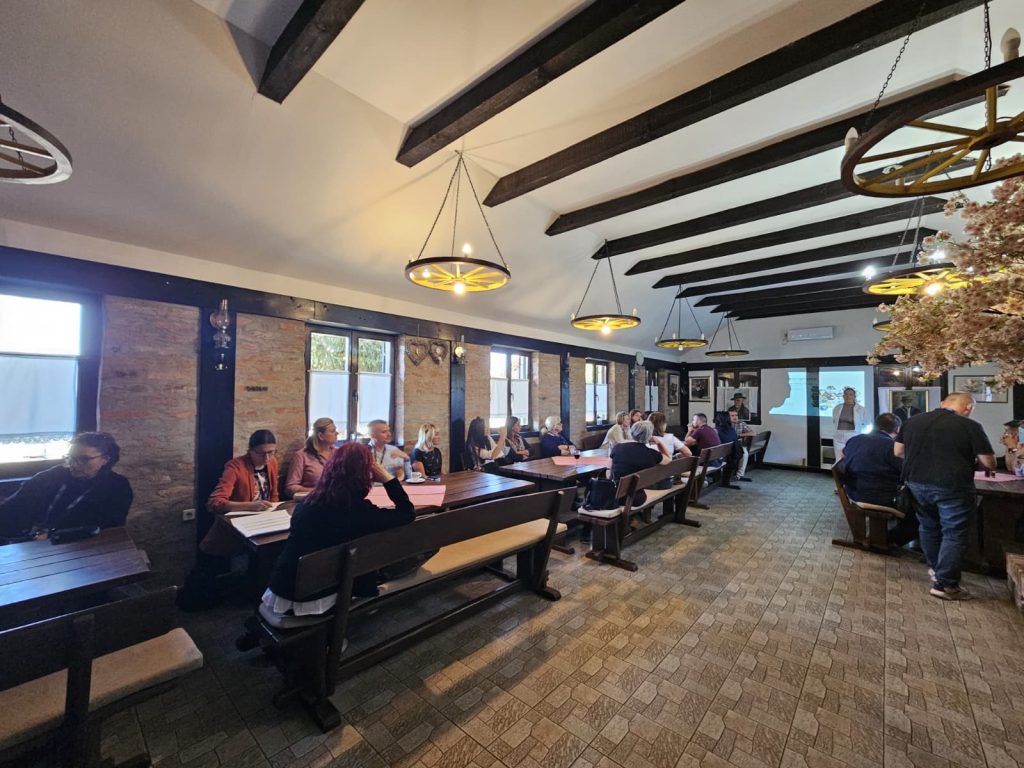
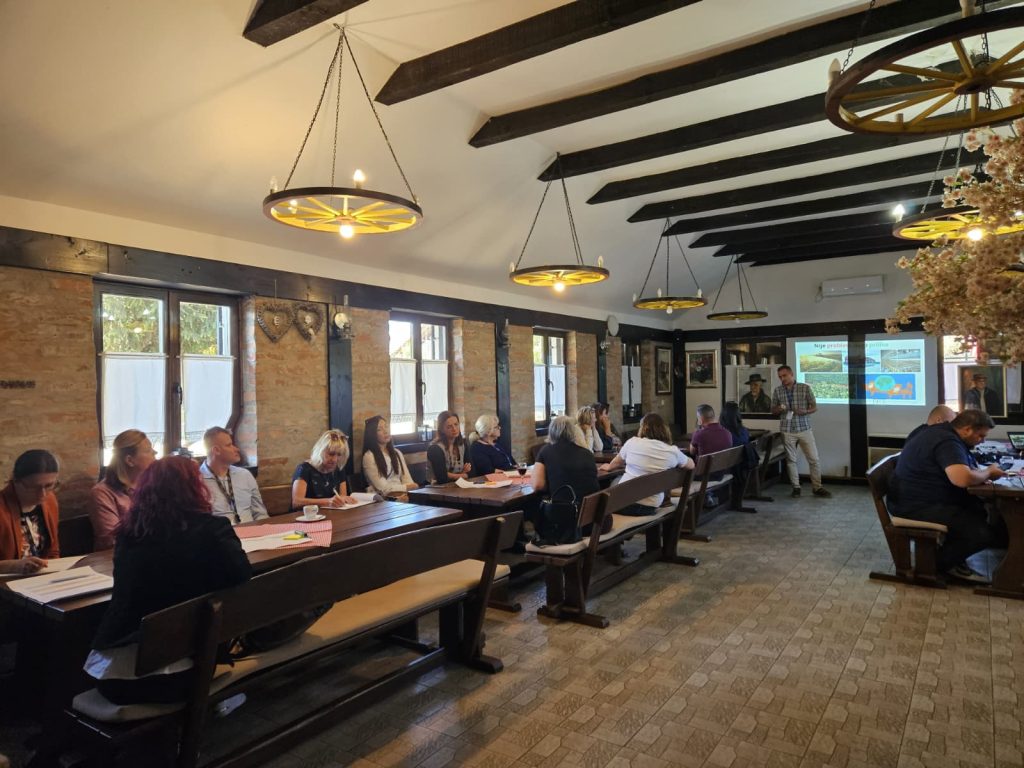
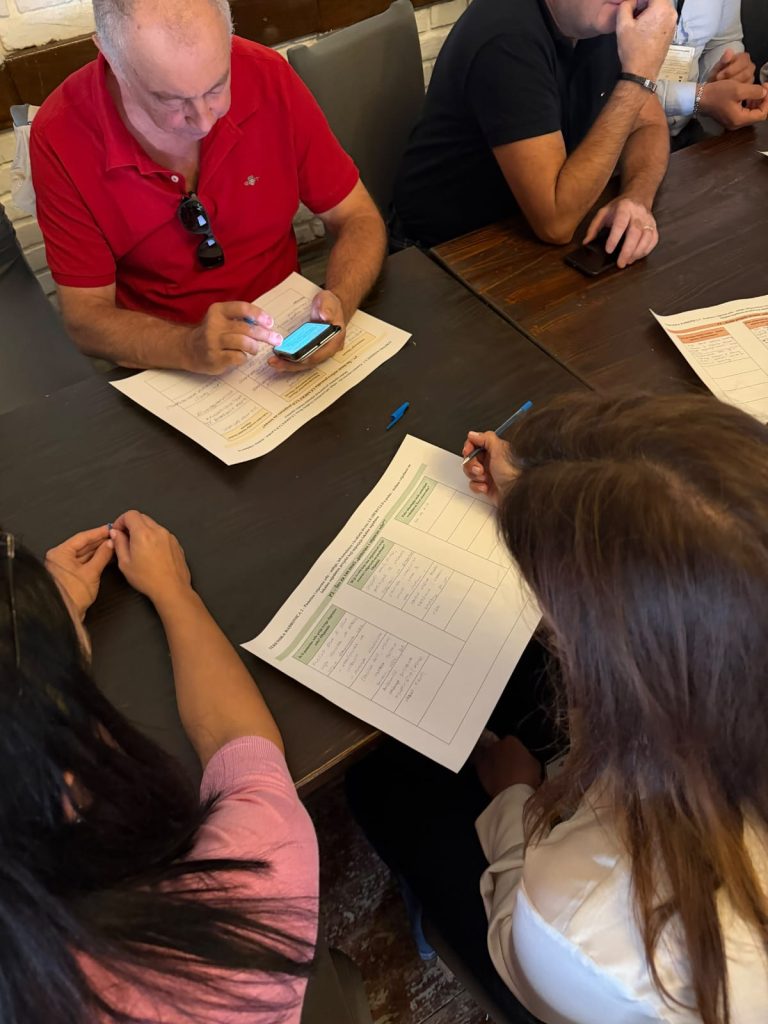
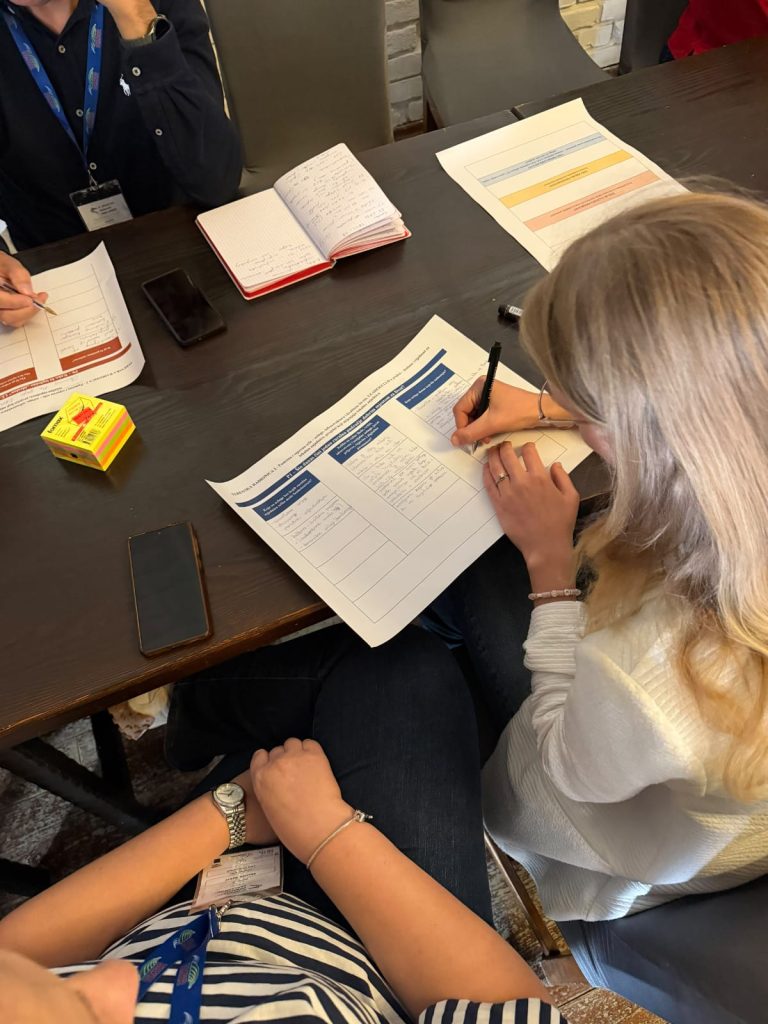
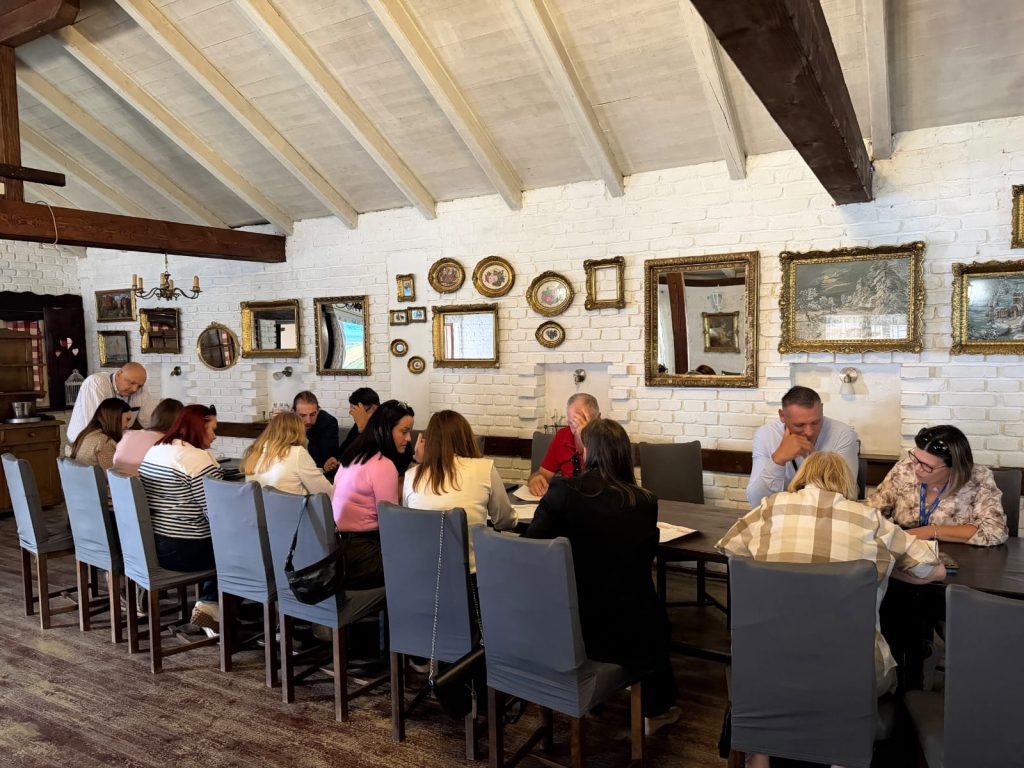
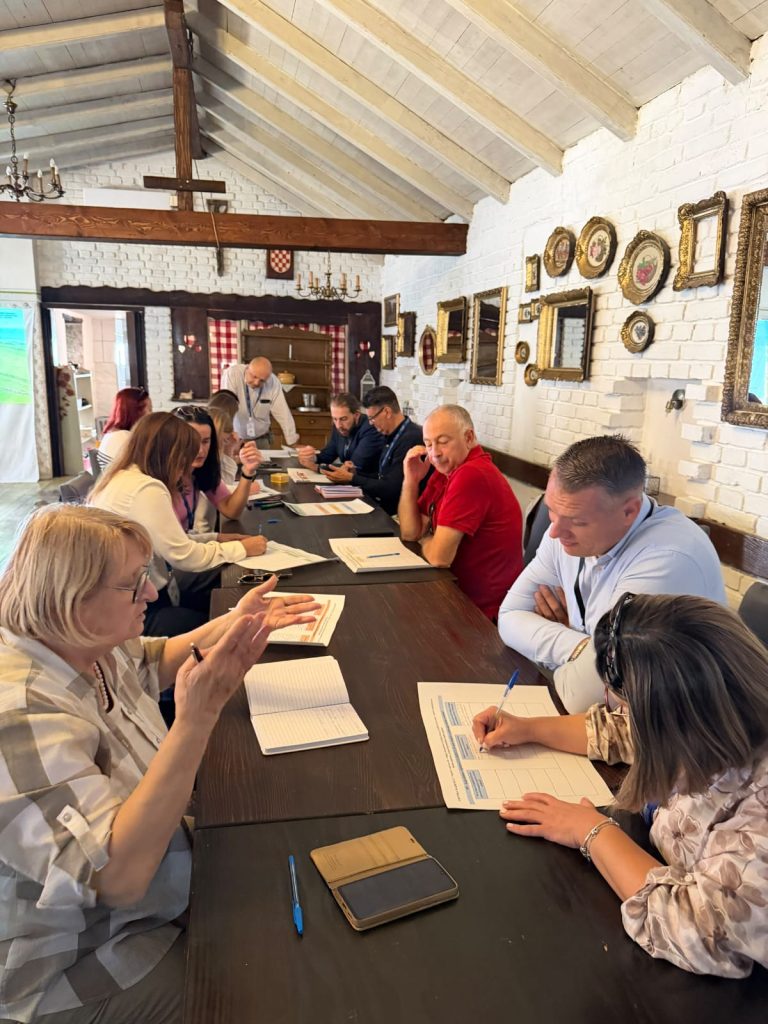
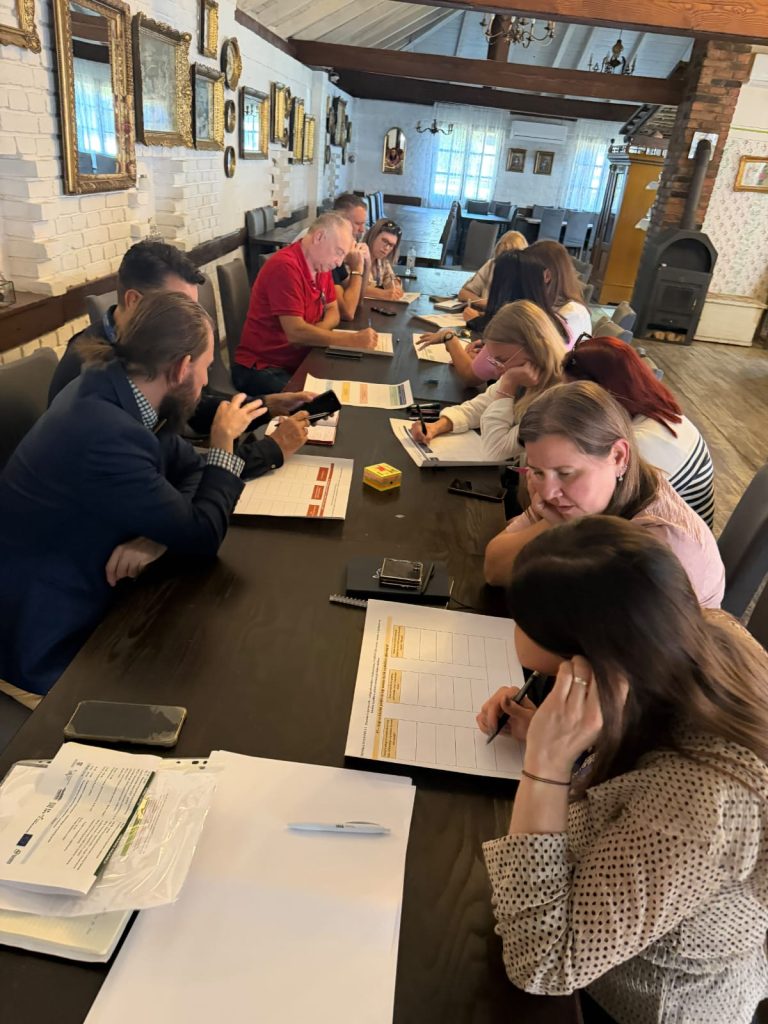
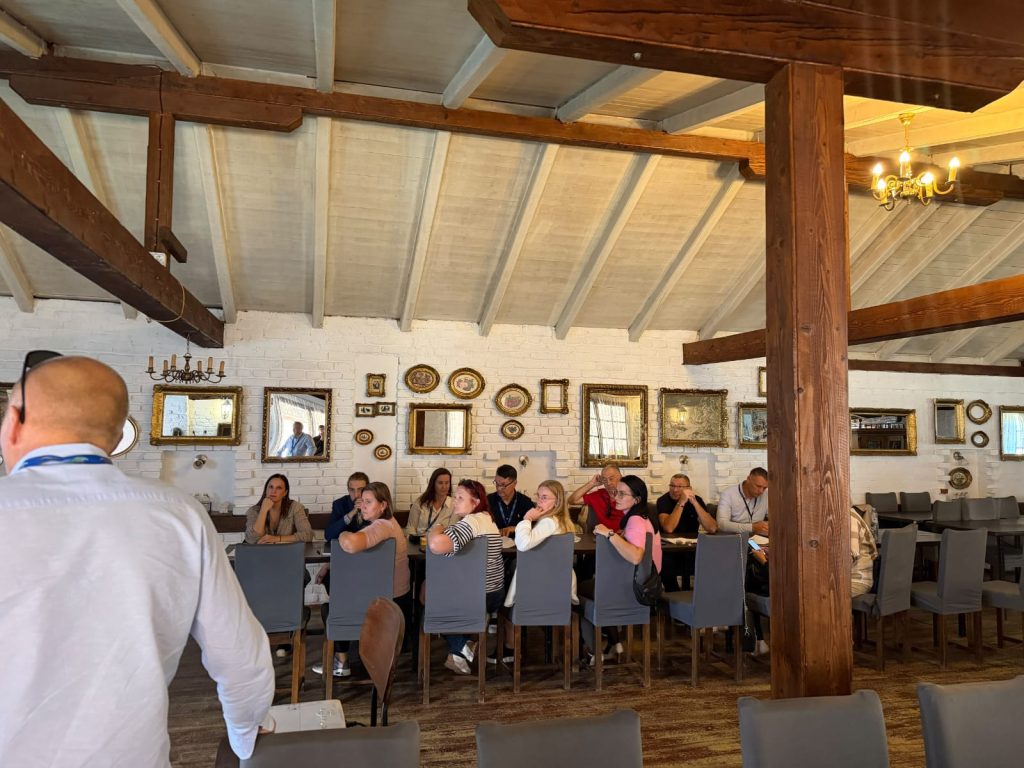
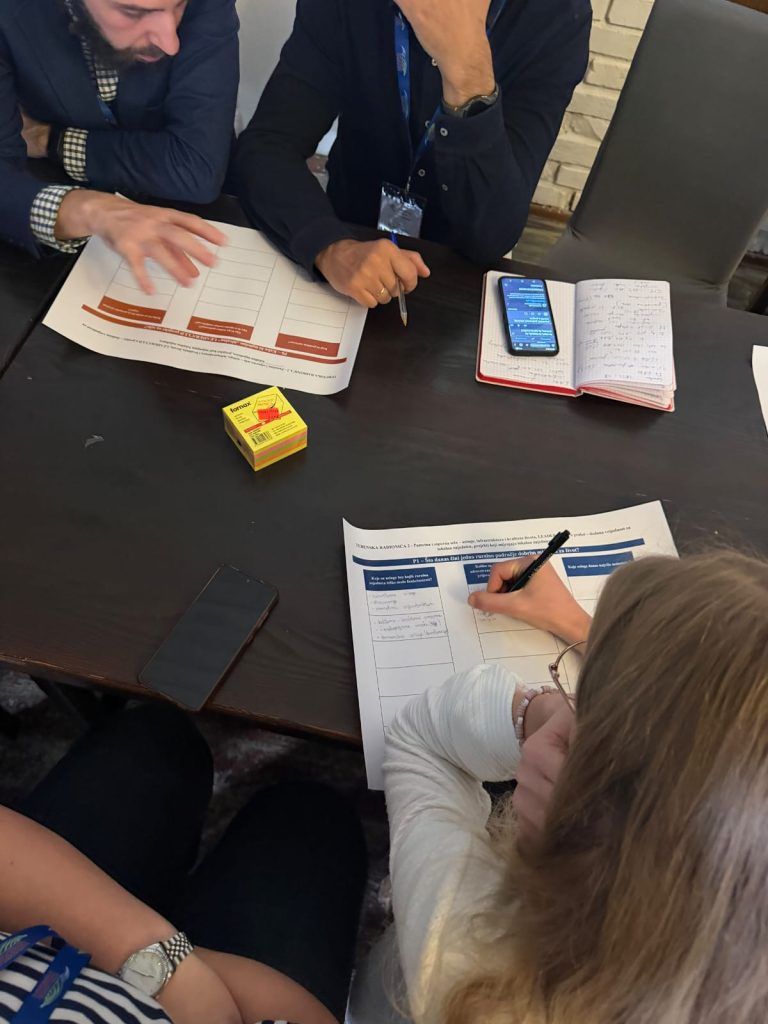
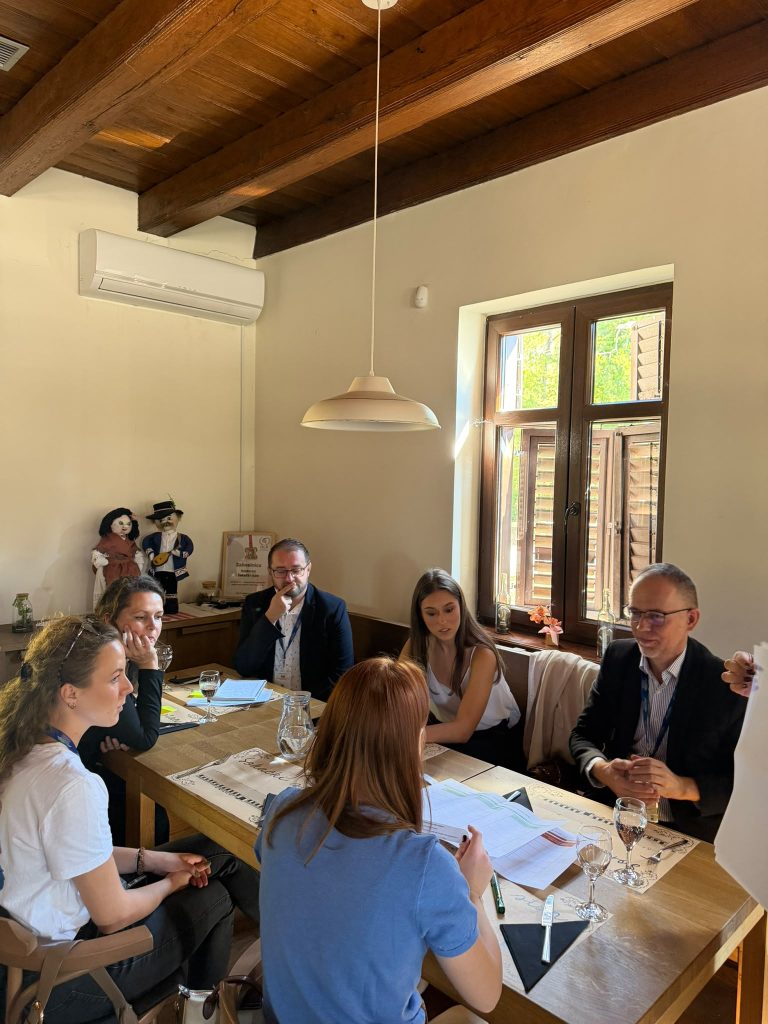
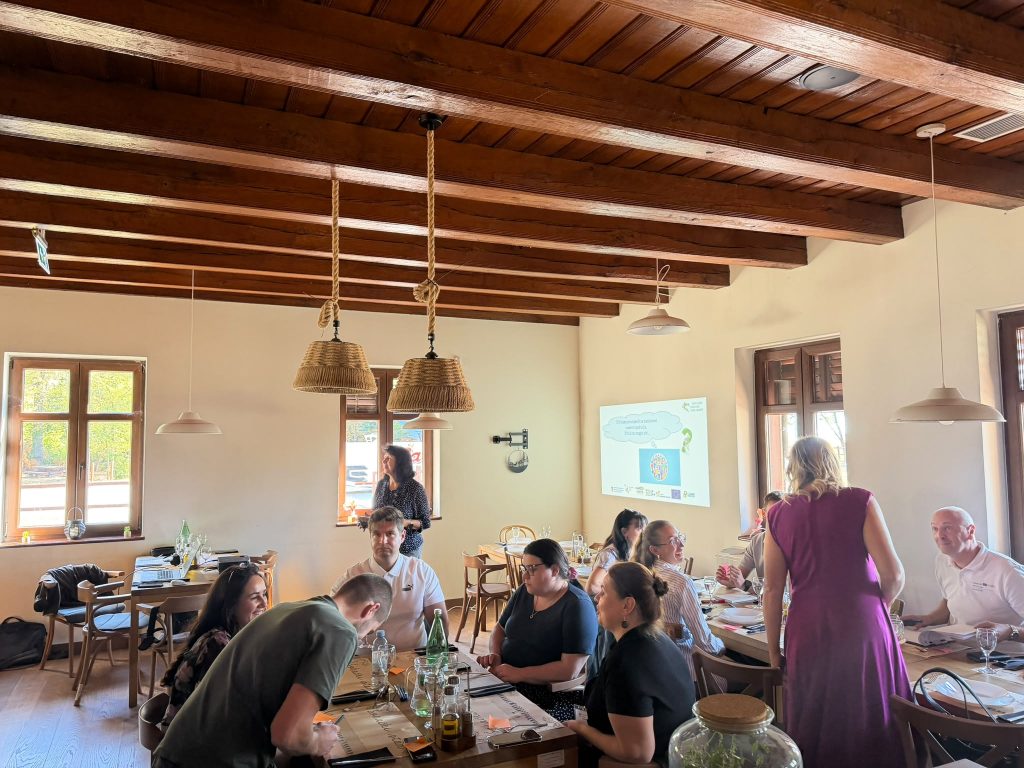
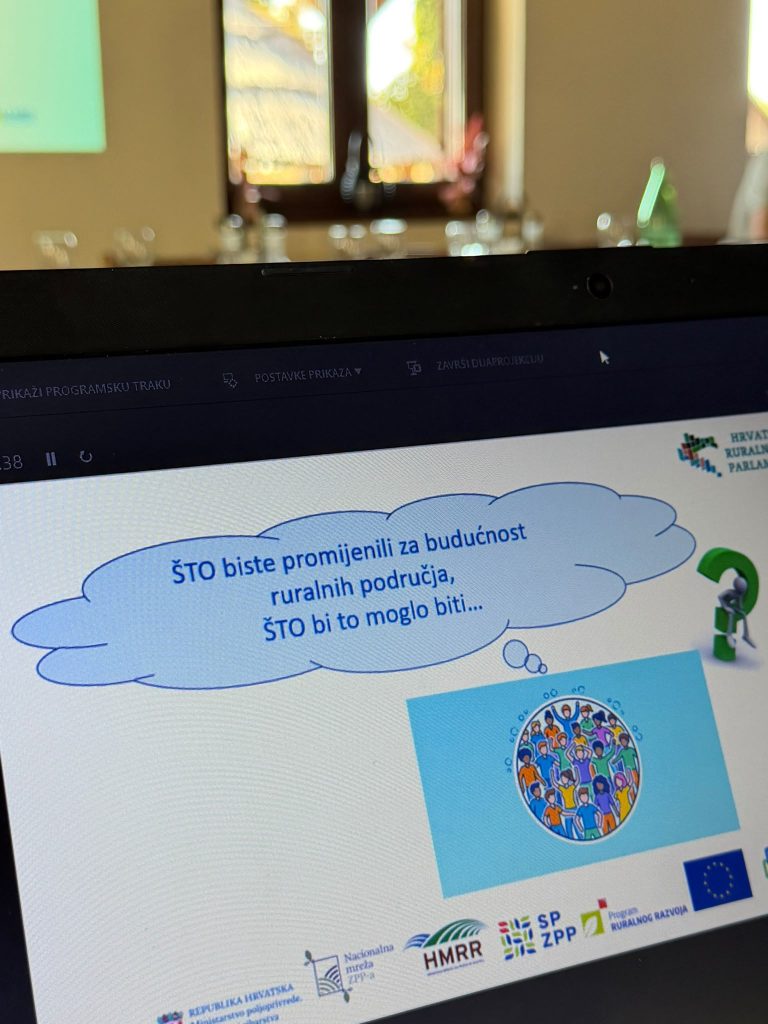
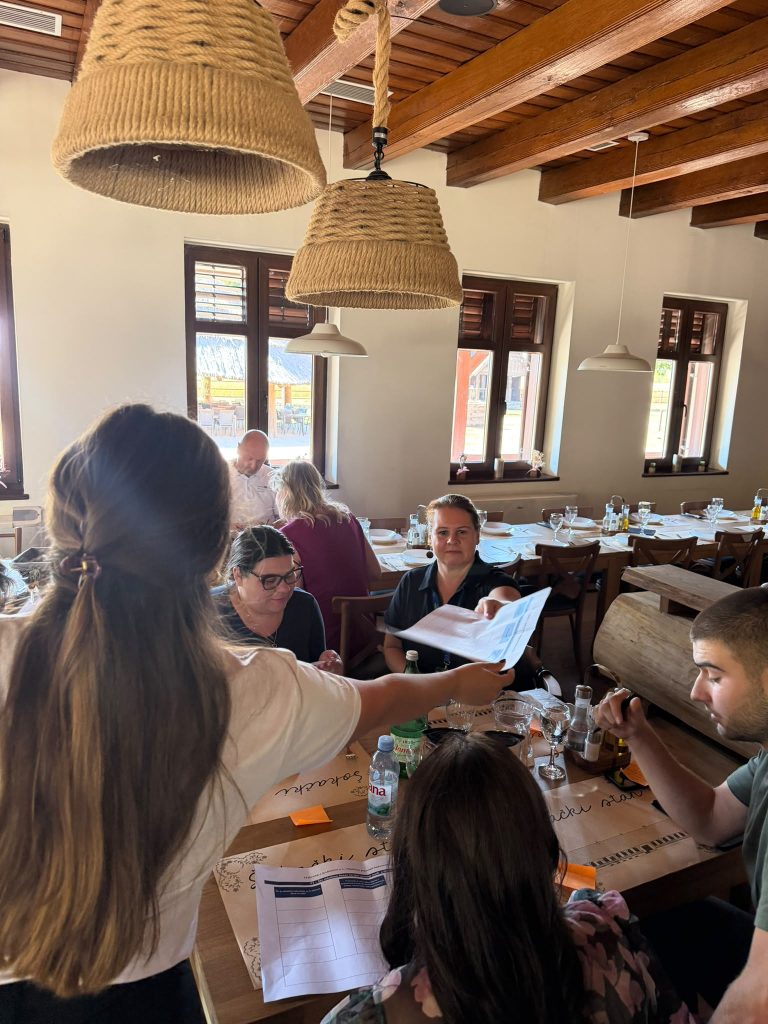
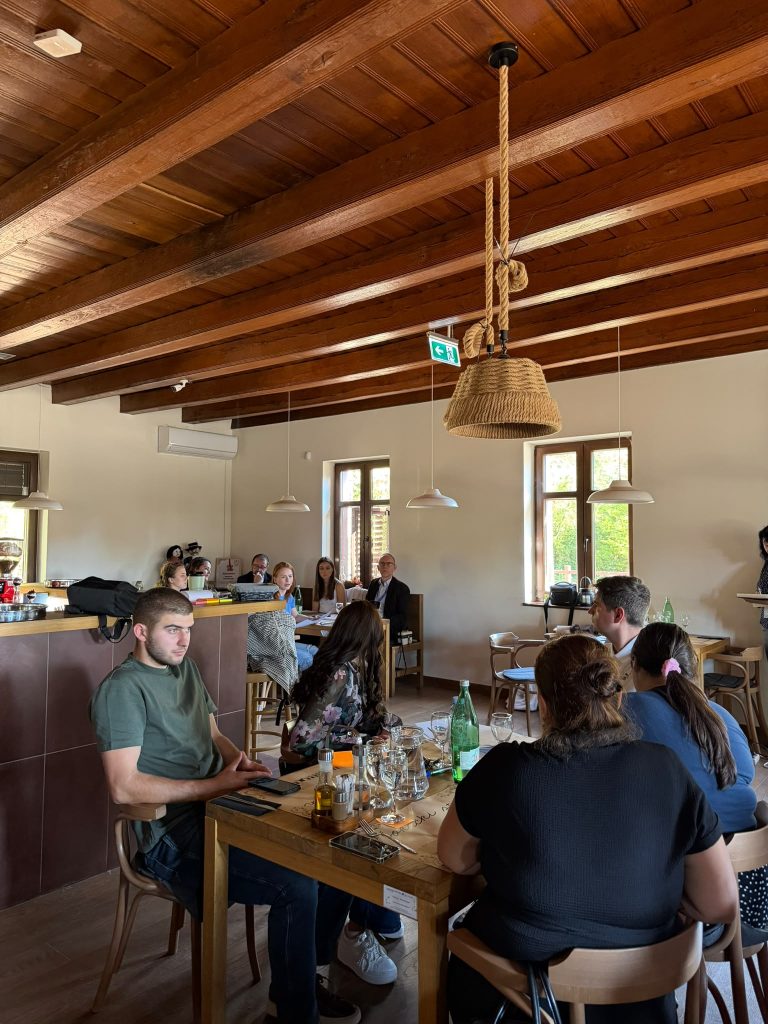
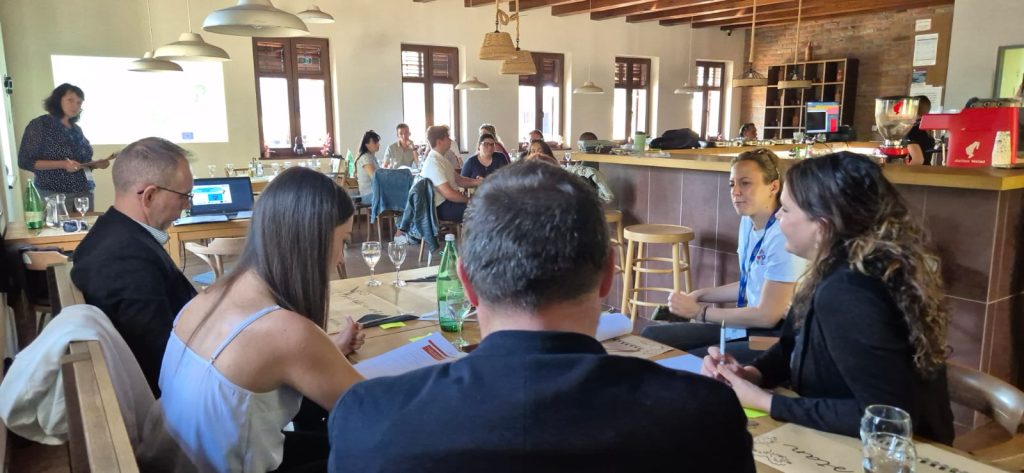
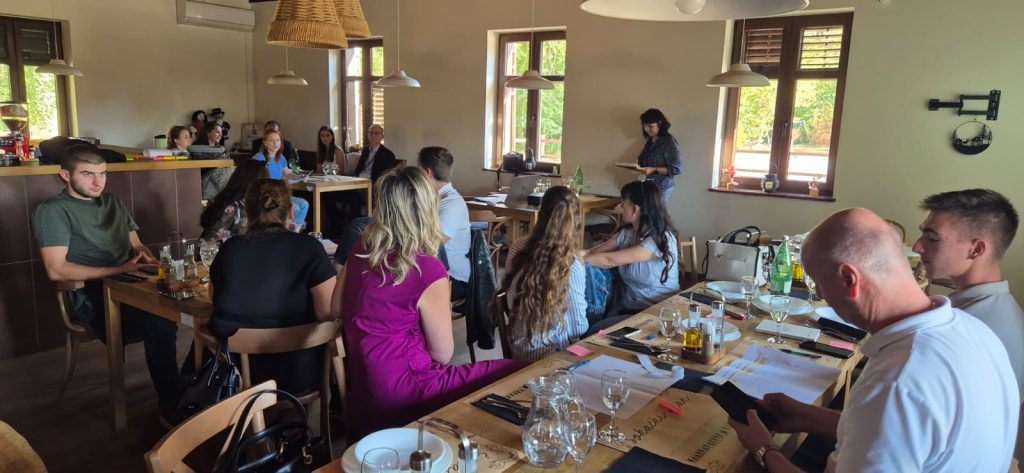
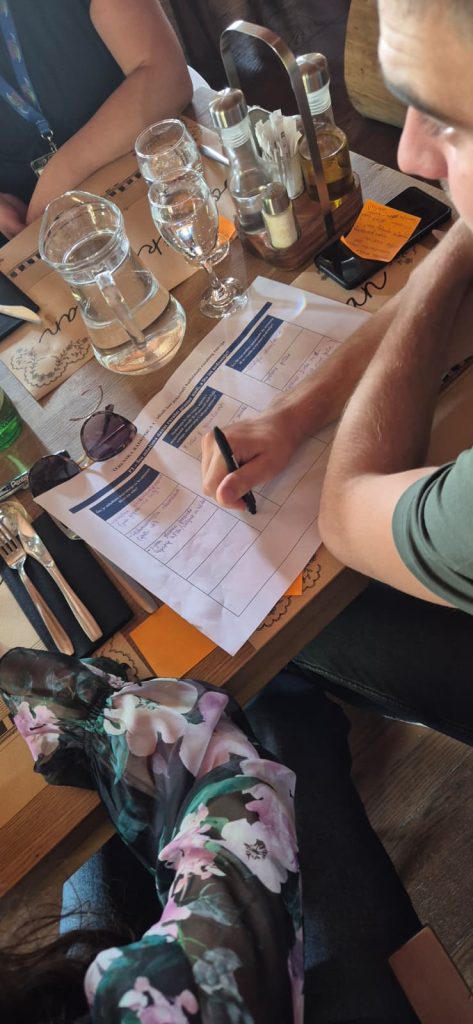
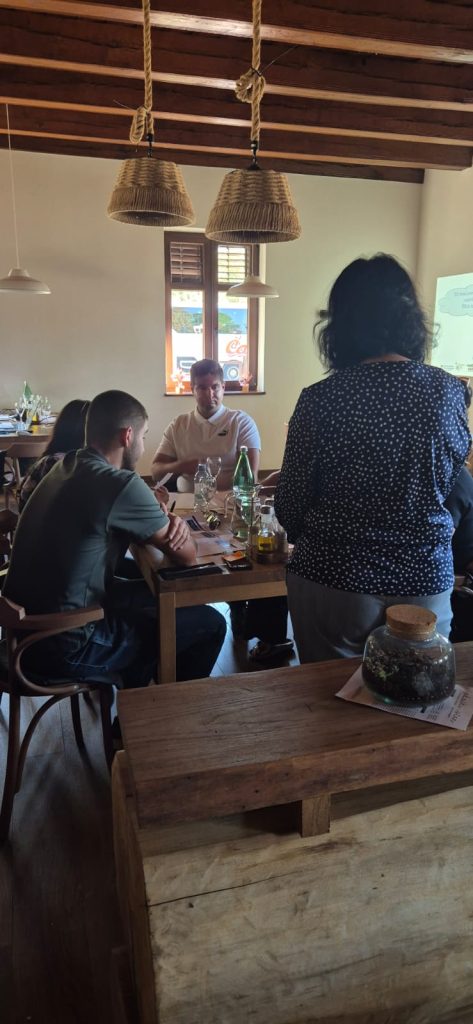
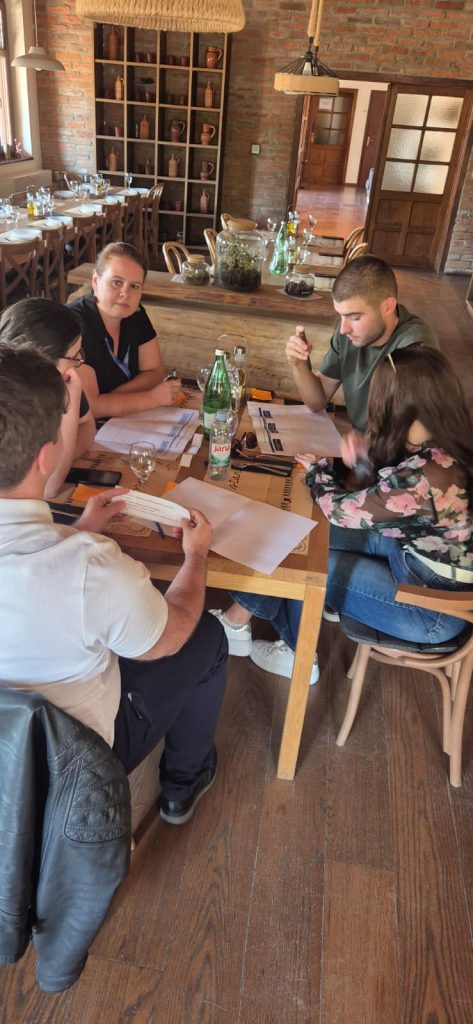
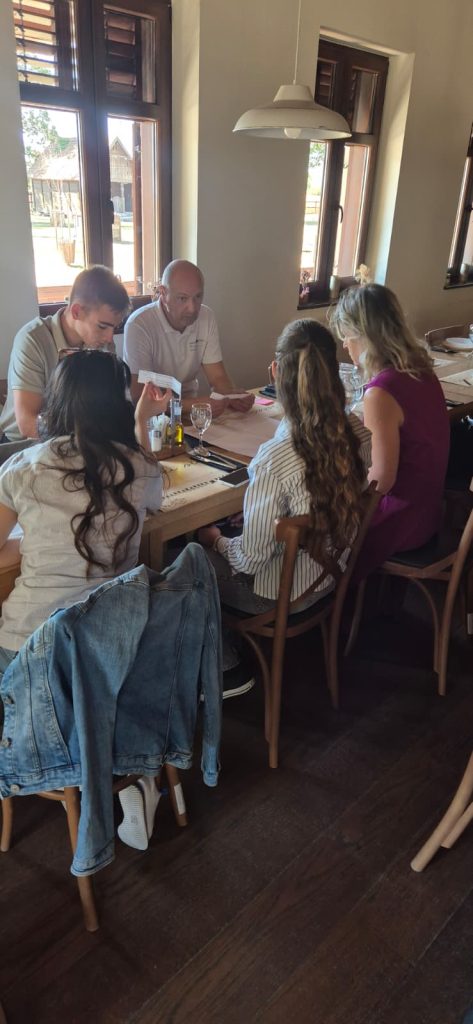
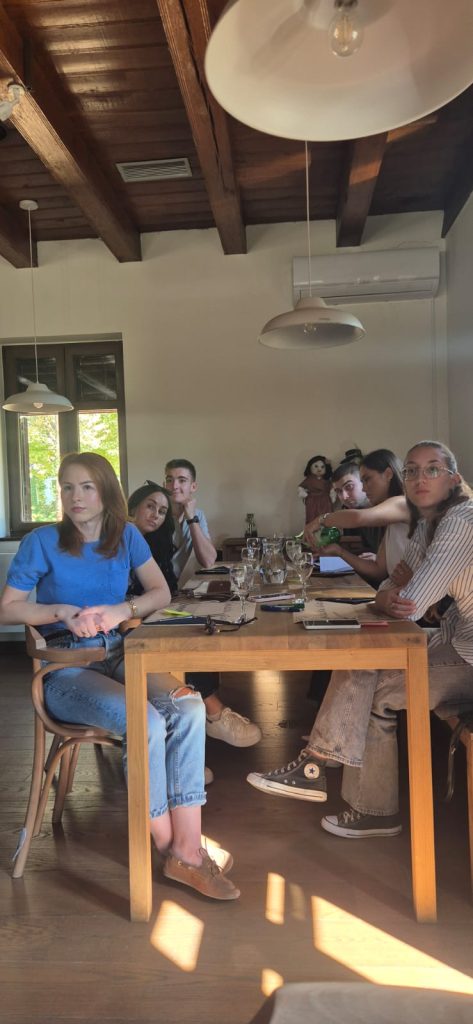
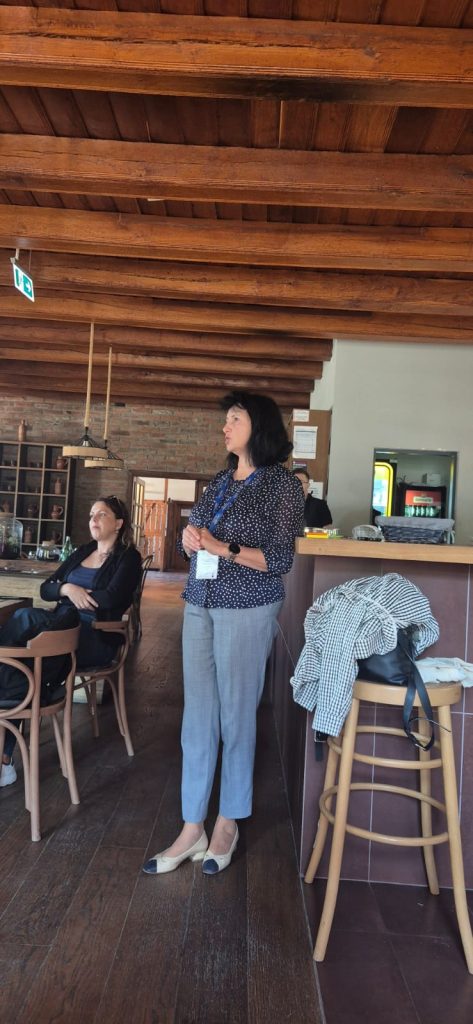
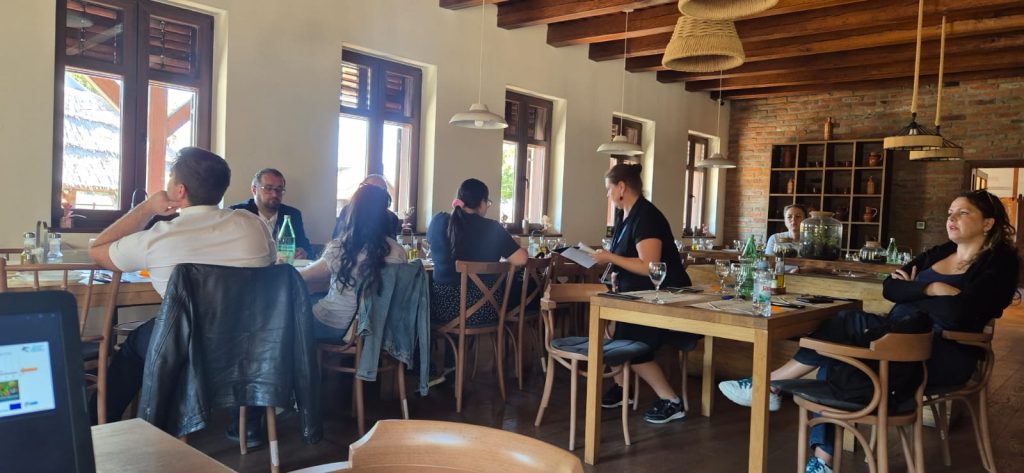
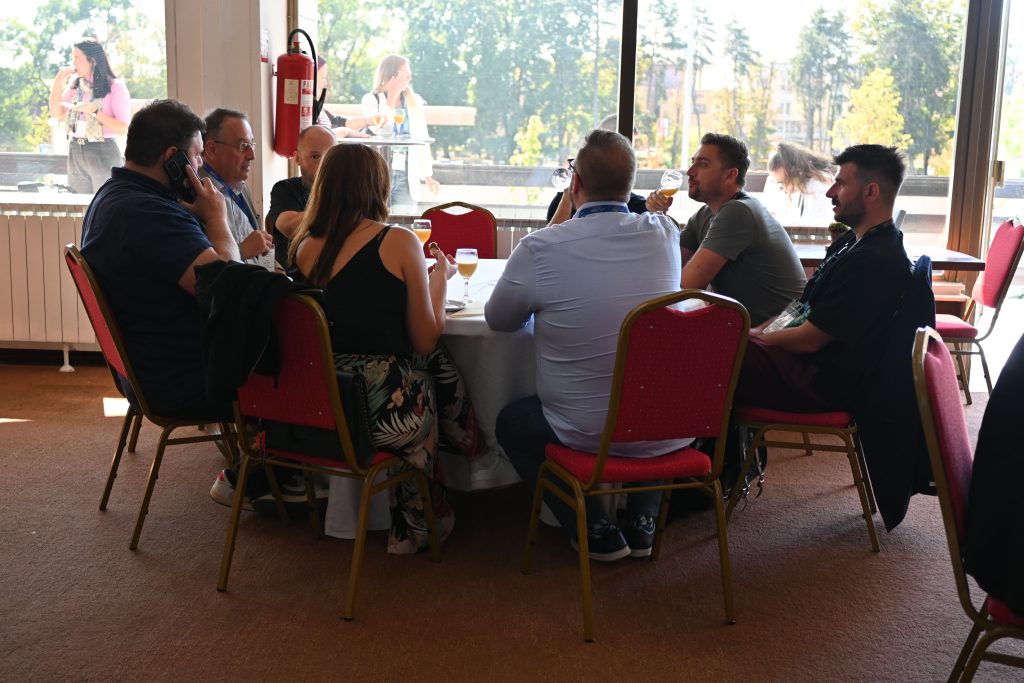
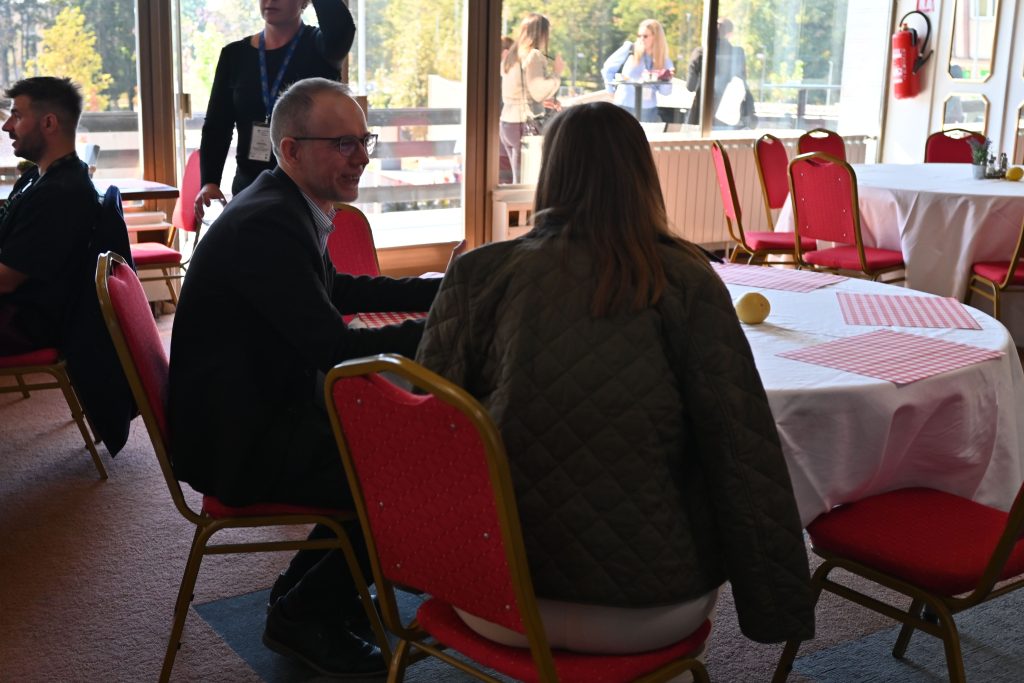
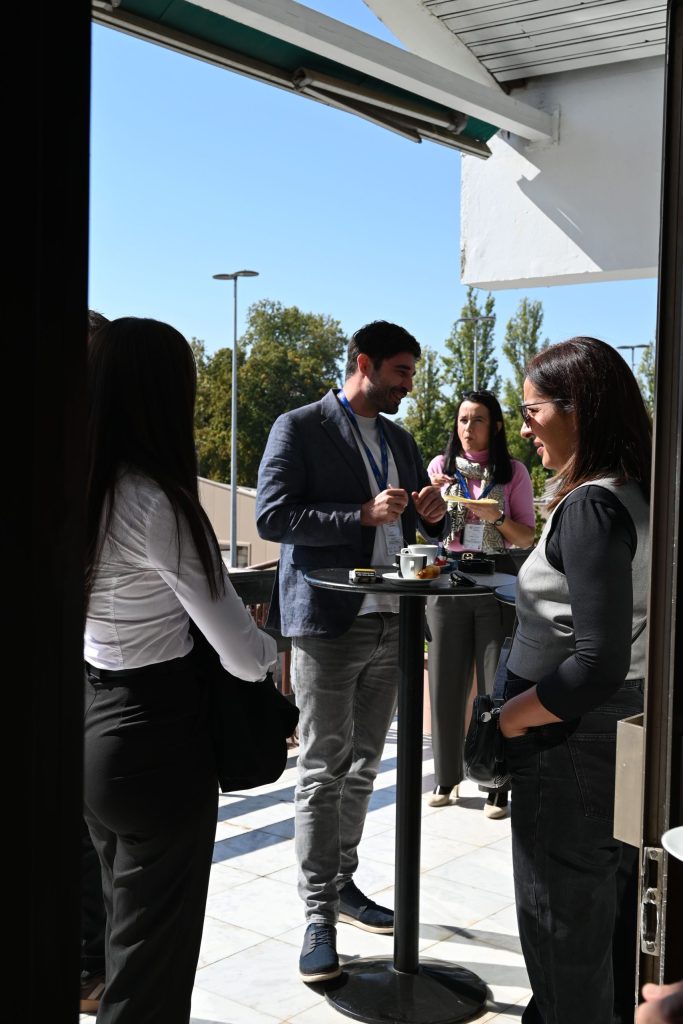
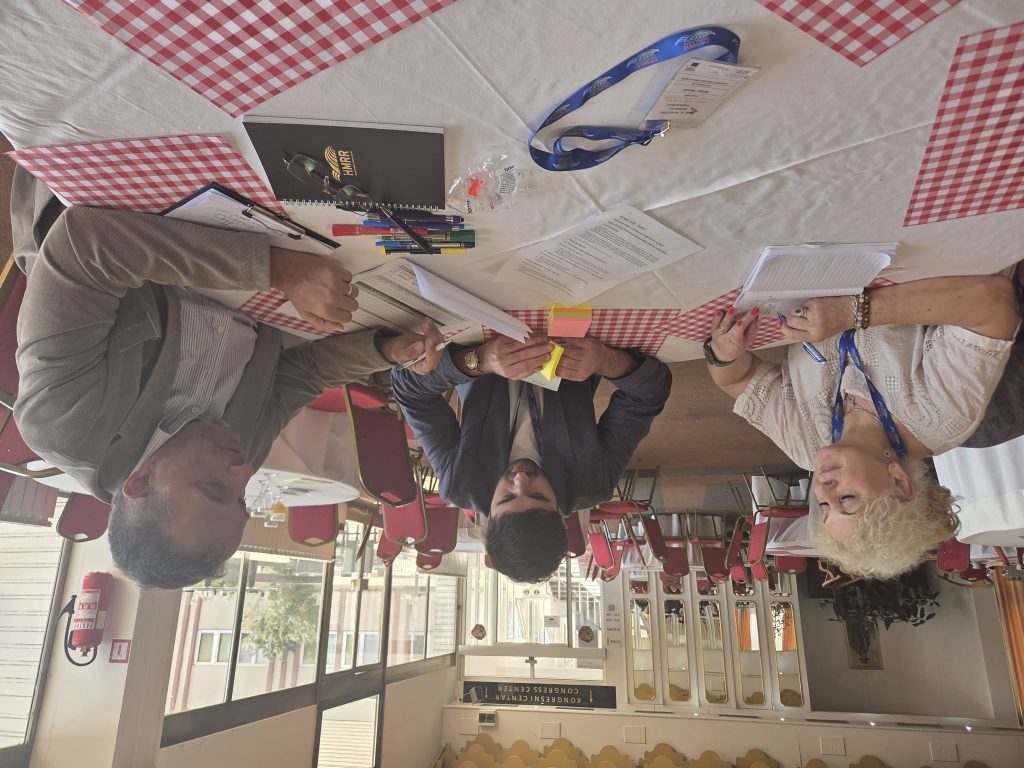
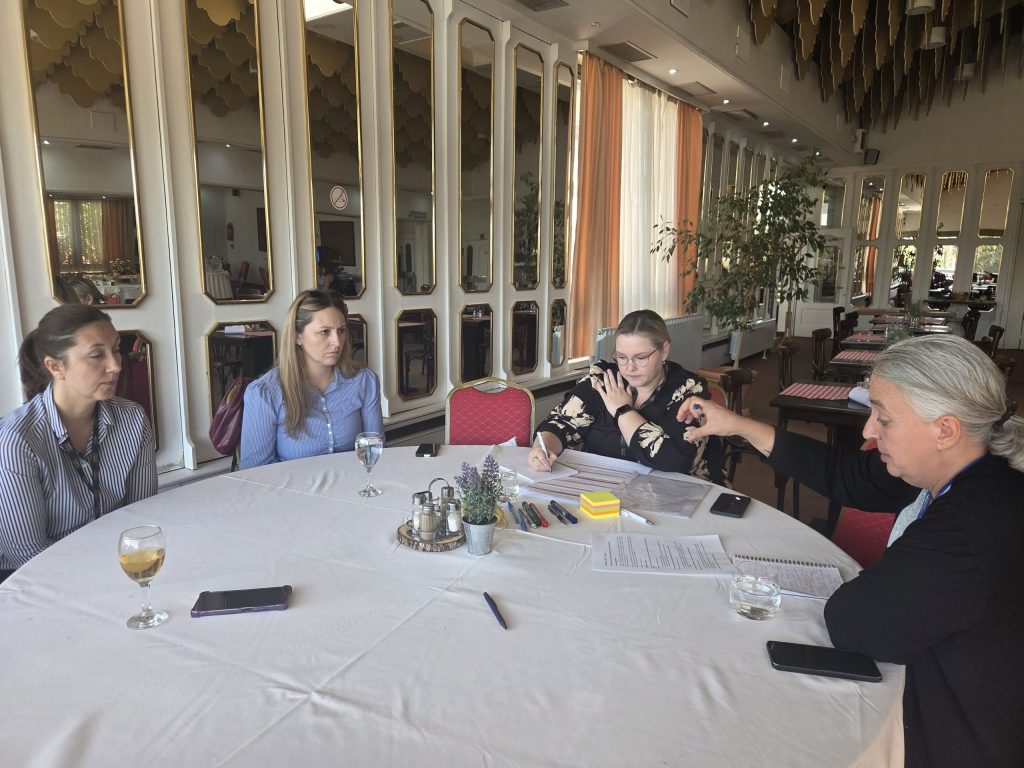
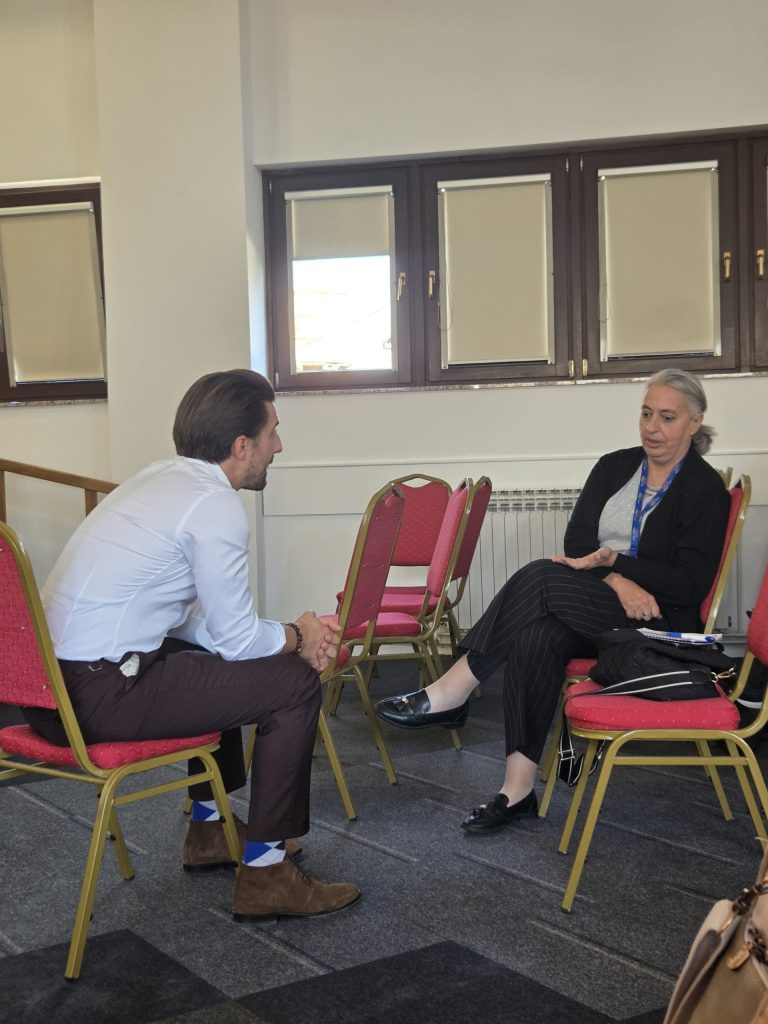
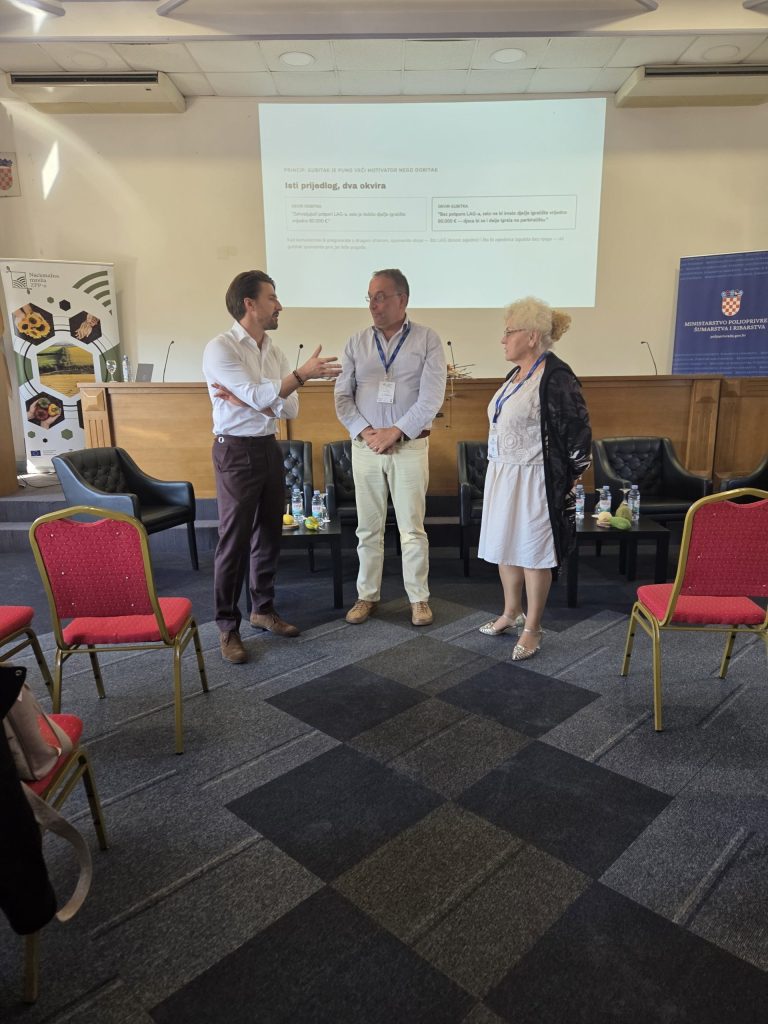
Following the plenary sessions, the programme continued with the Rural Café, where participants worked in three thematic groups. Discussions focused on development opportunities for rural areas after 2027, strengthening the added value of LEADER/CLLD, and the role of women, young people and local leaders in rural development. The aim was to identify concrete problems, needs and proposals that could contribute to future rural development policies.
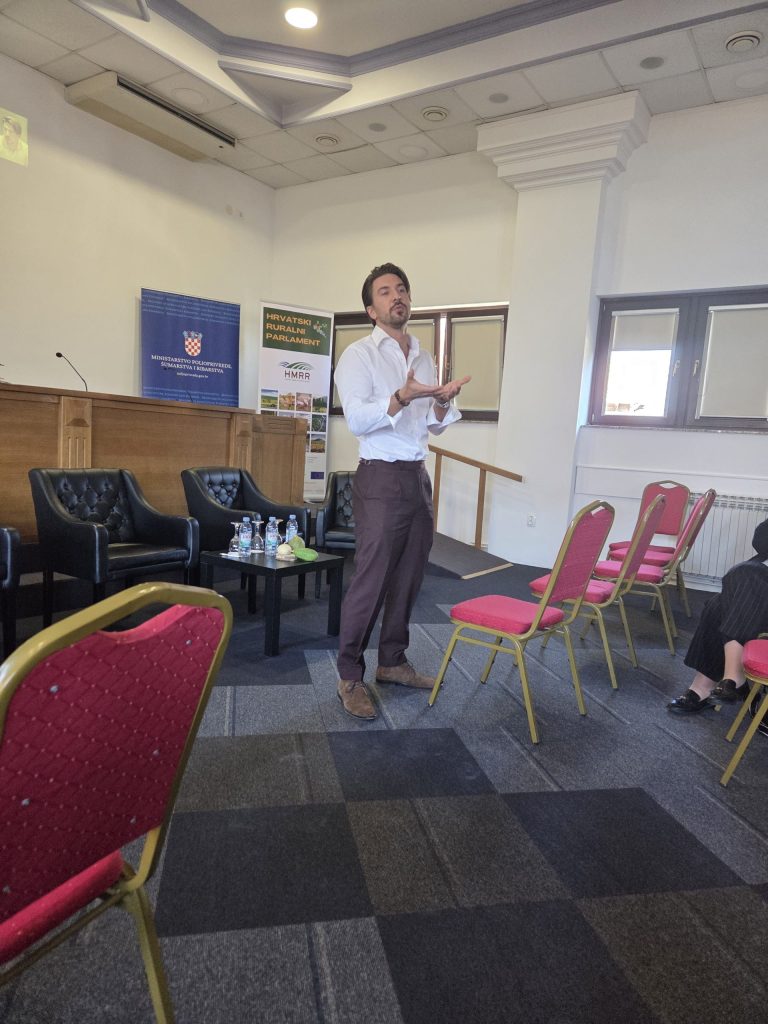
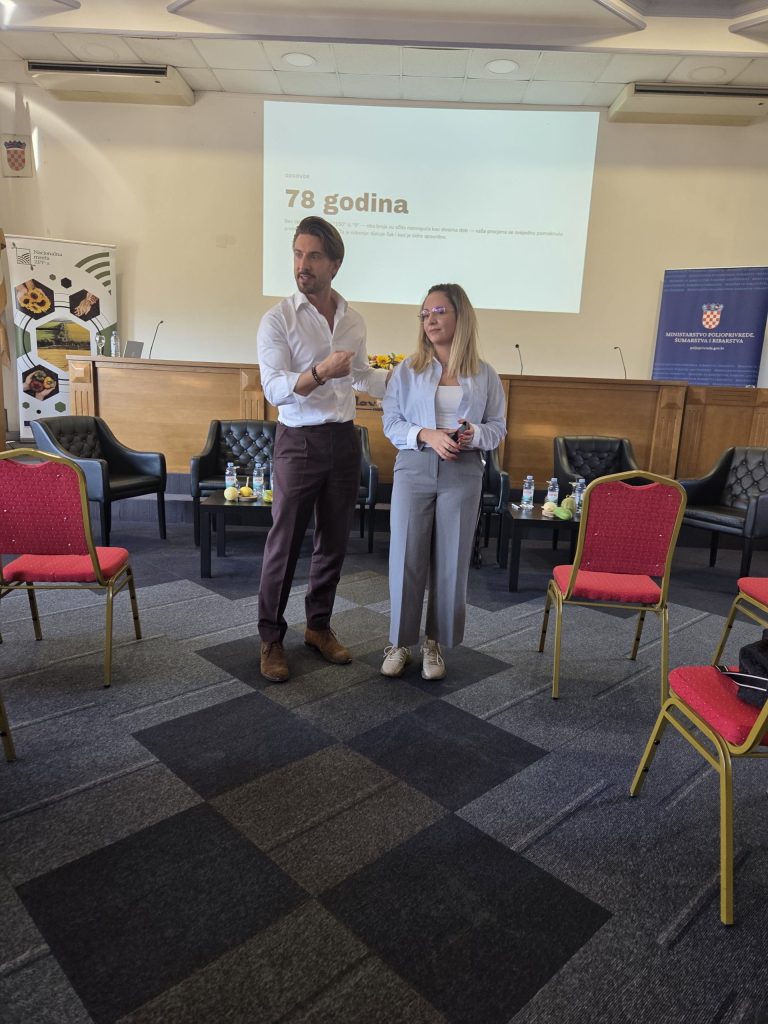
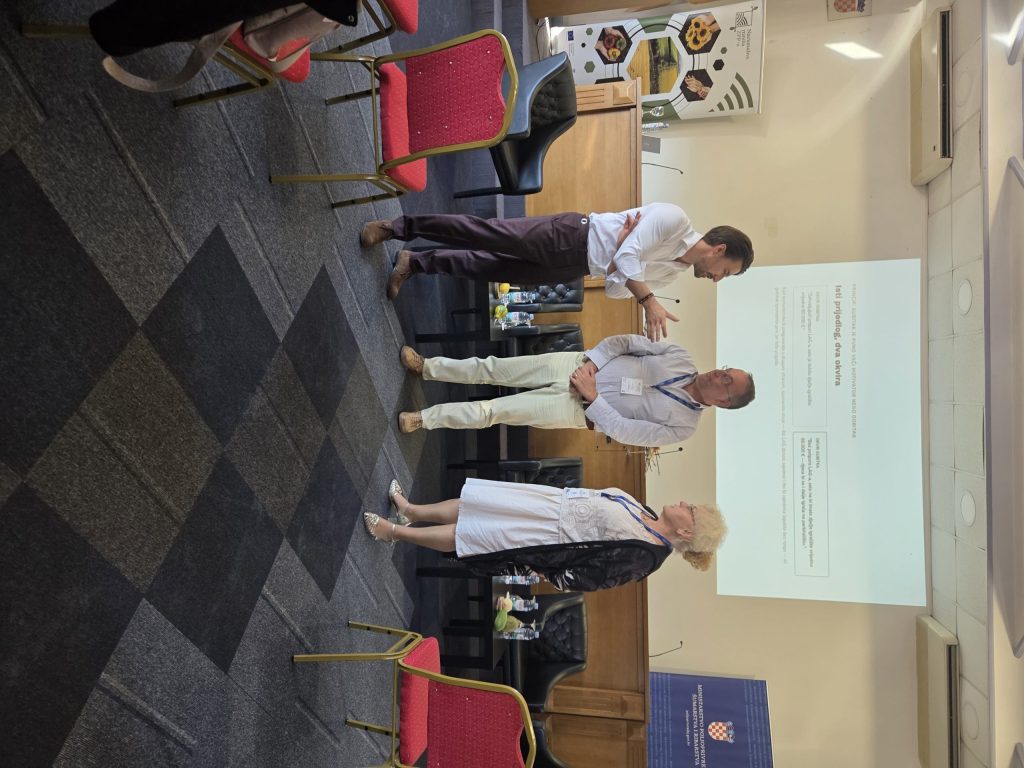
A management skills workshop, led by Borna Jurišković, was also held as part of the Rural Café programme, focusing on practical skills relevant to negotiation, cooperation and everyday work in organisations and local communities.
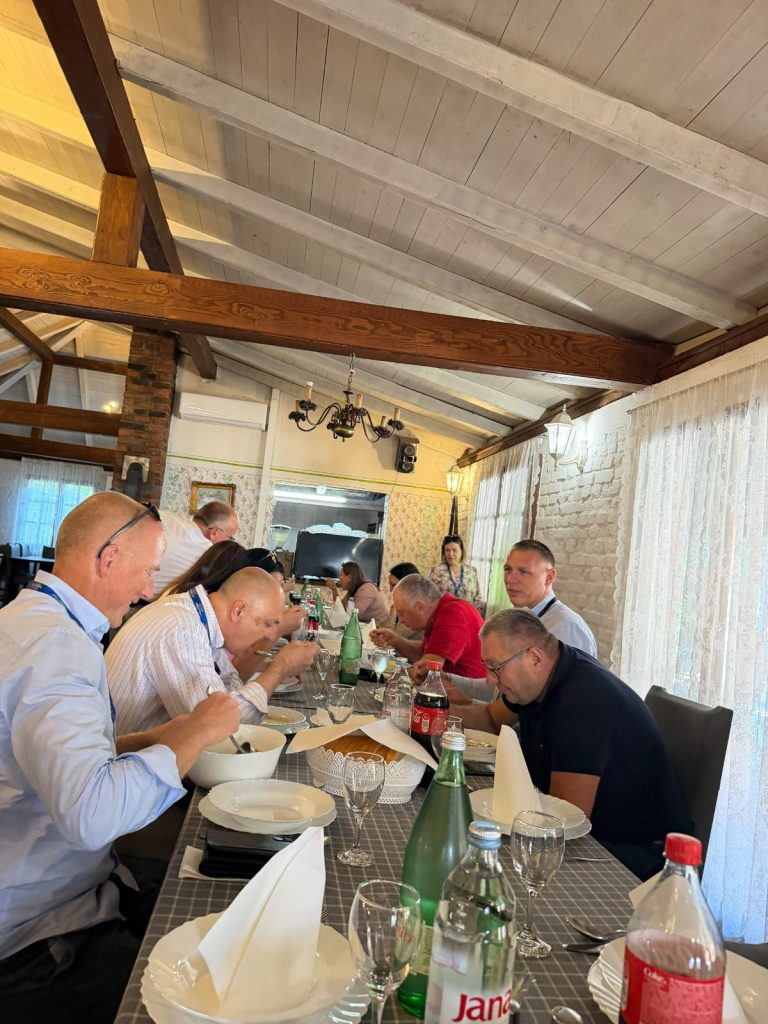
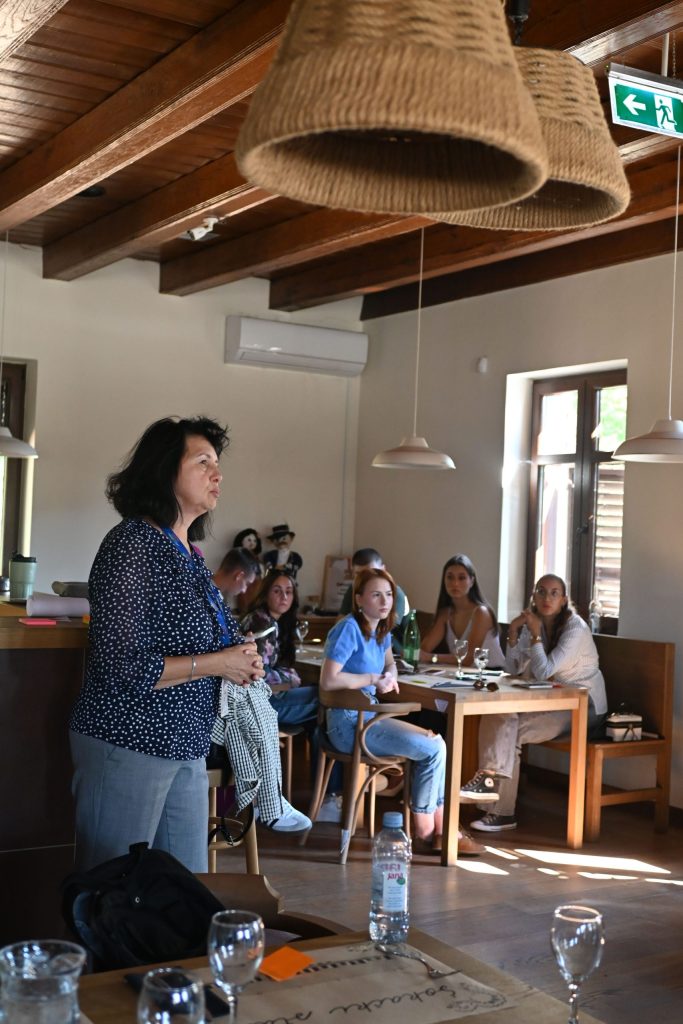
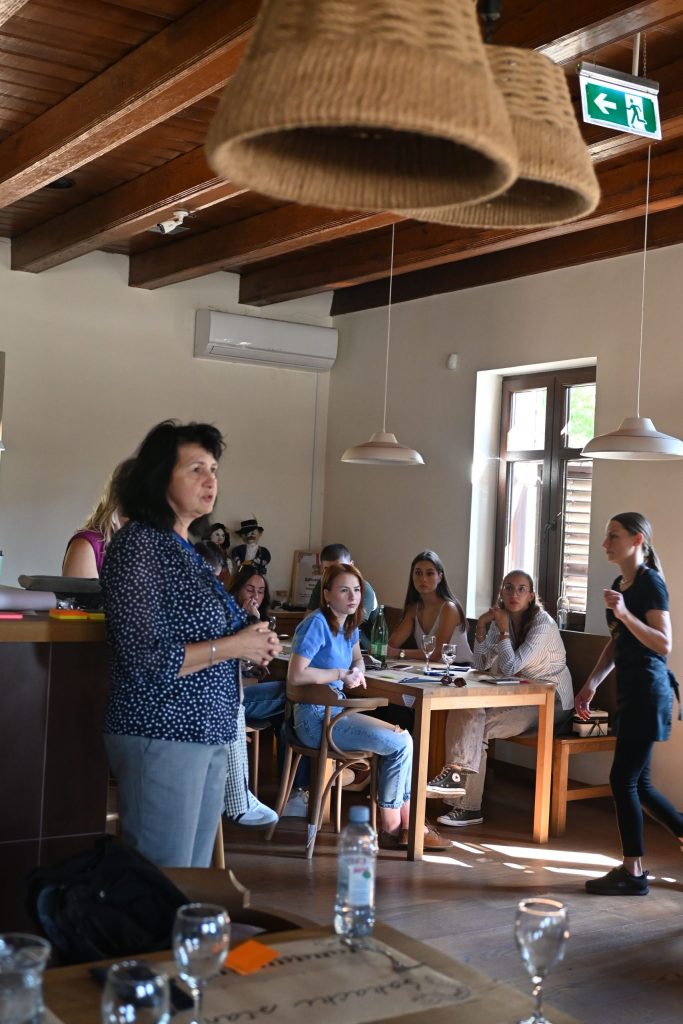
At the same time, participants took part in three field workshops, allowing them to discuss important rural development issues directly in a local setting.
The first field workshop, “Young people as drivers of the future of rural development”, focused on the position of young people in rural areas and the opportunities available to them to stay, return and develop their own initiatives.
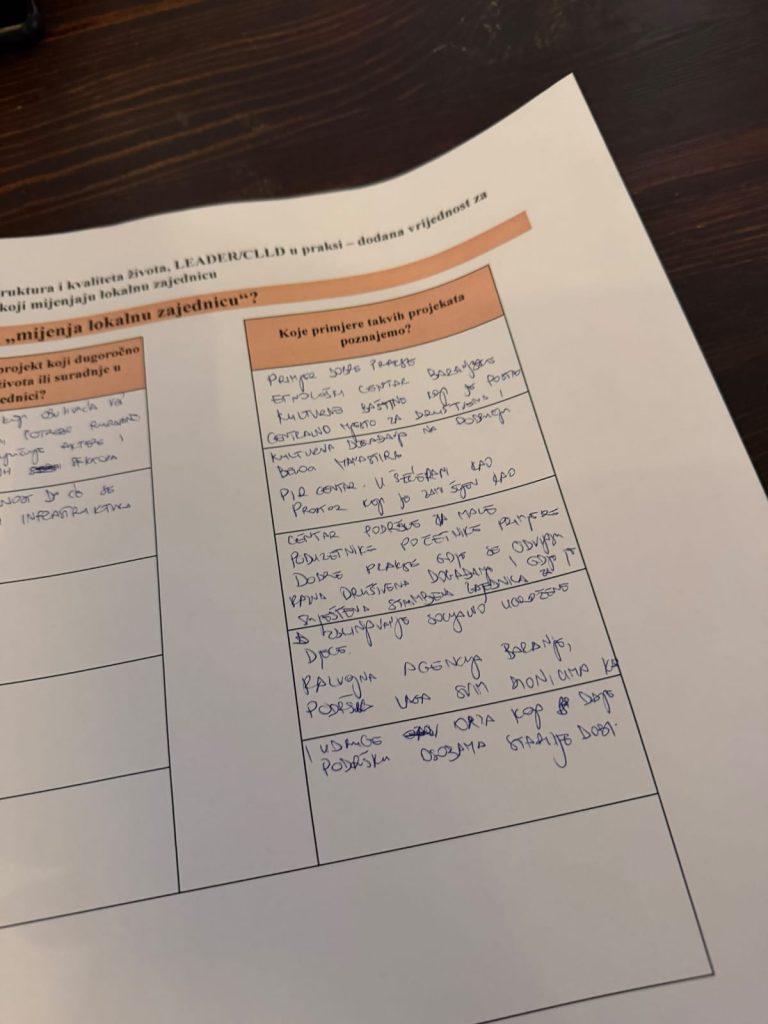
The second workshop, “Smart and resilient villages – services, infrastructure, quality of life and LEADER/CLLD in practice”, explored projects and approaches that can directly improve the quality of life in rural communities.
The third workshop, “Local food, short supply chains and the added value of rural areas”, addressed ways to strengthen local producers, better connect production with markets and create added value through local food and short supply chains.
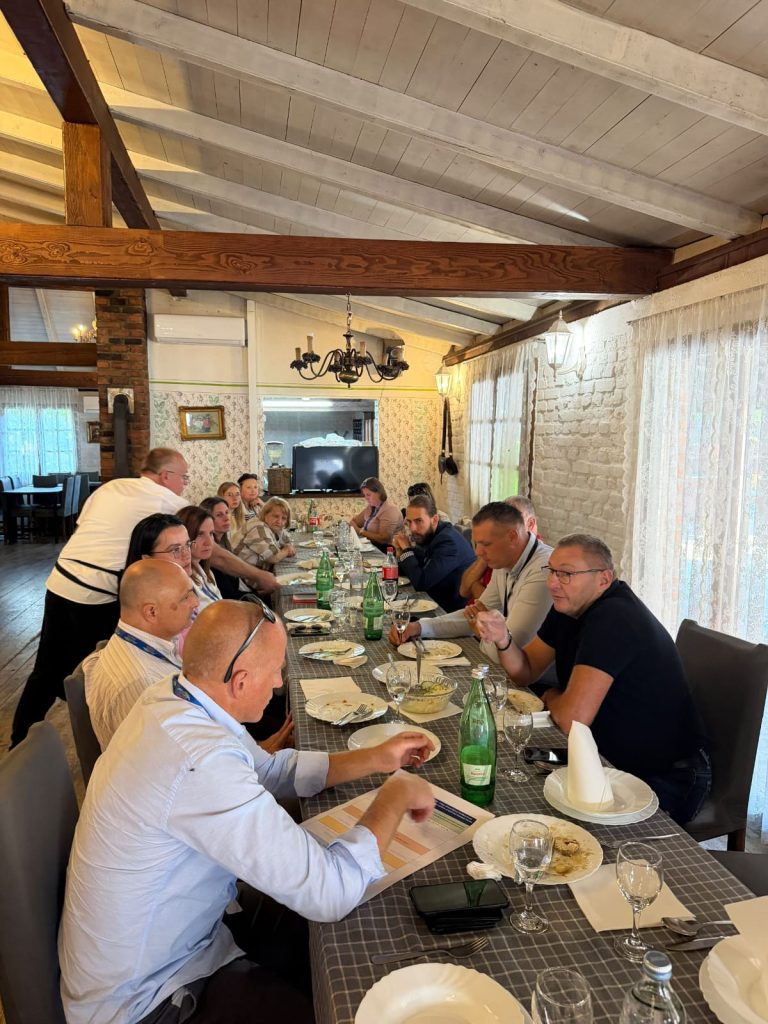
The field-based work gave participants an opportunity to exchange experiences, discuss practical examples and jointly identify both the main challenges and possible solutions that can be incorporated into the recommendations of the Croatian Rural Parliament.
After returning to Vinkovci, the programme continued with the presentation of conclusions. The key messages emerging from the panel discussions, Rural Café and field workshops provide an important basis for the final recommendations of the 6th Croatian Rural Parliament, with the aim of ensuring that the experiences and needs of people living and working in rural areas are better reflected in future policies and programmes.