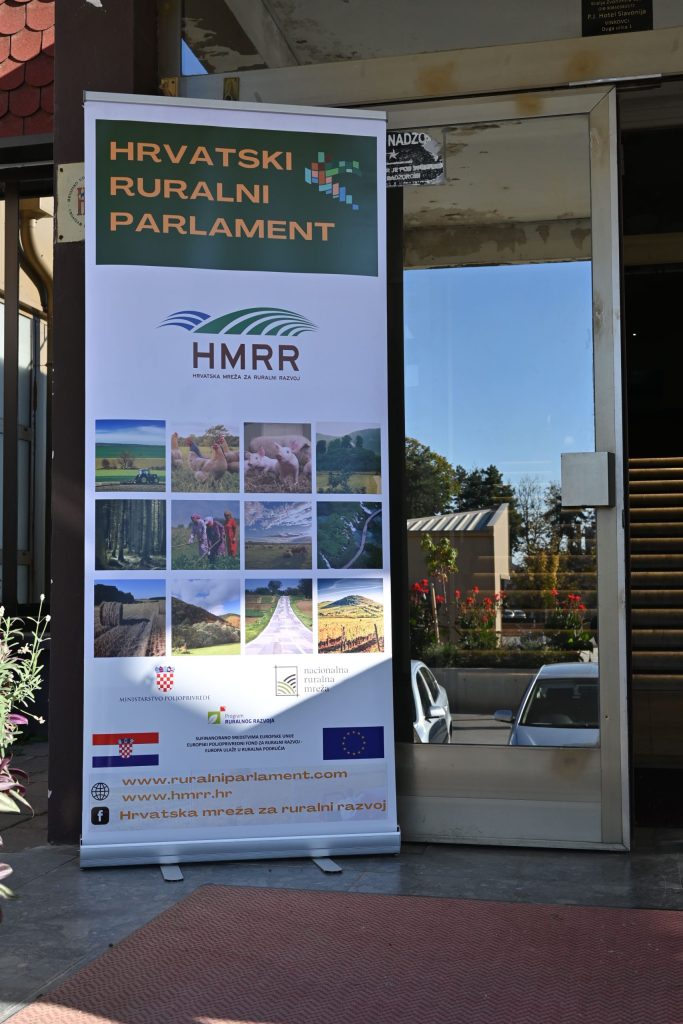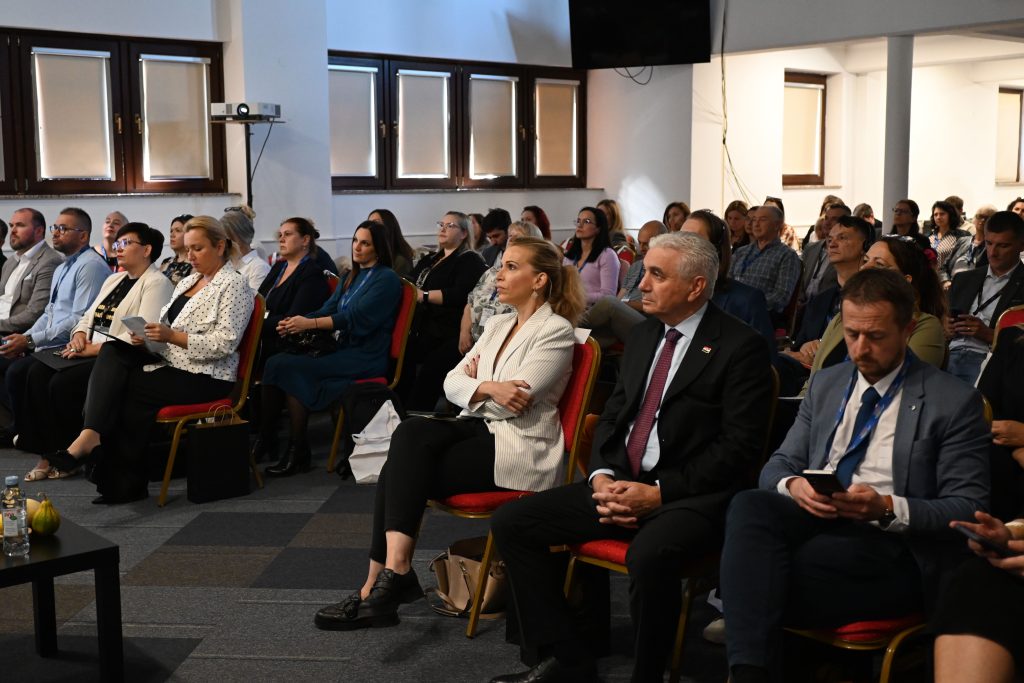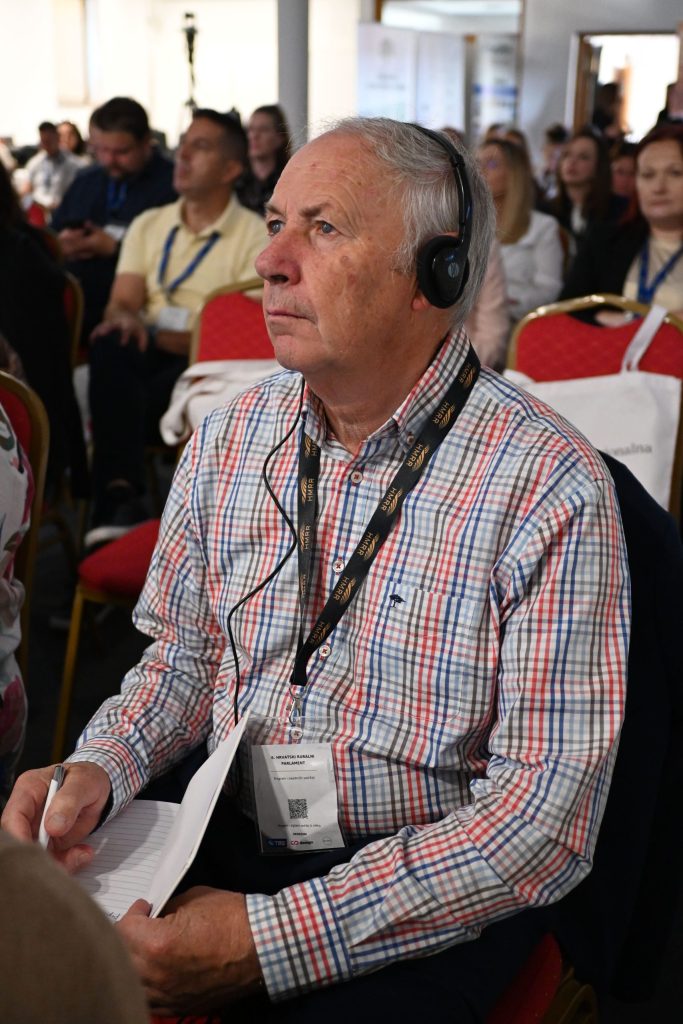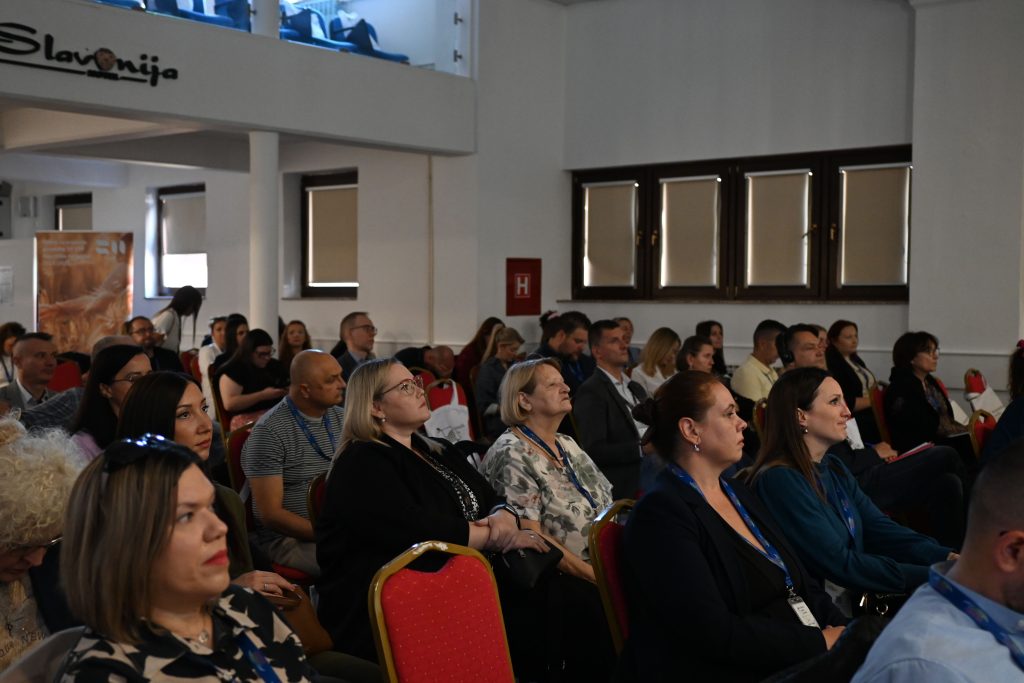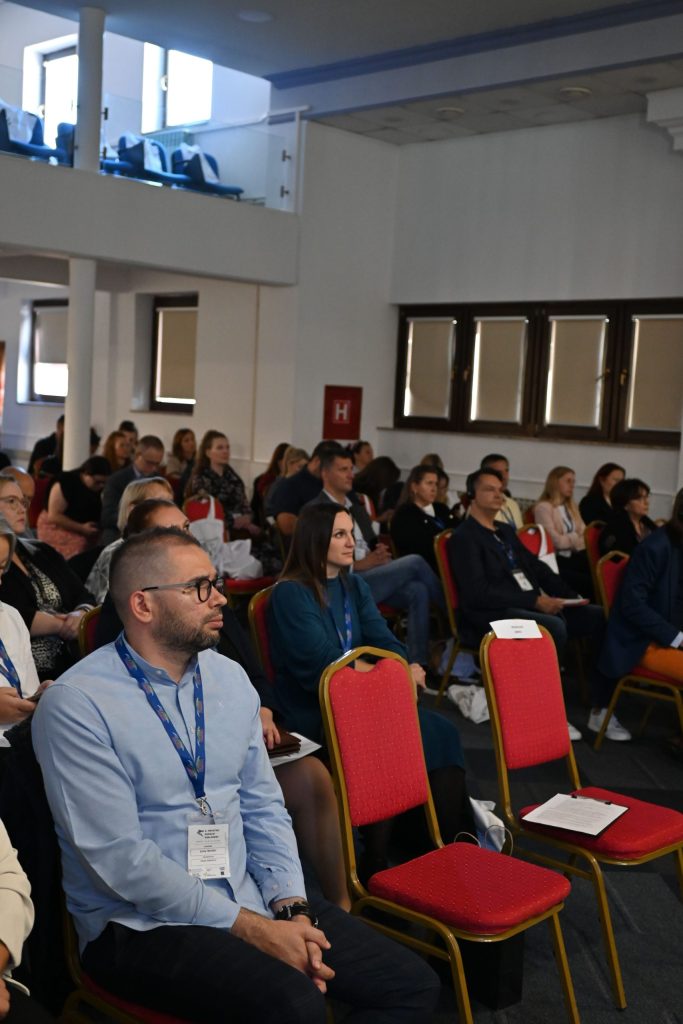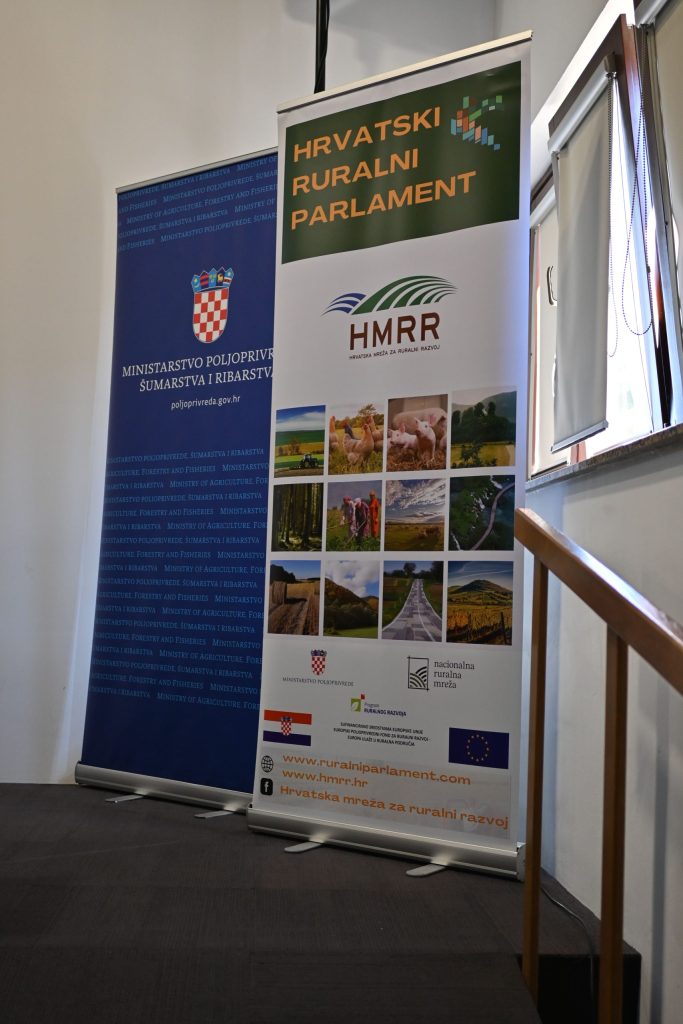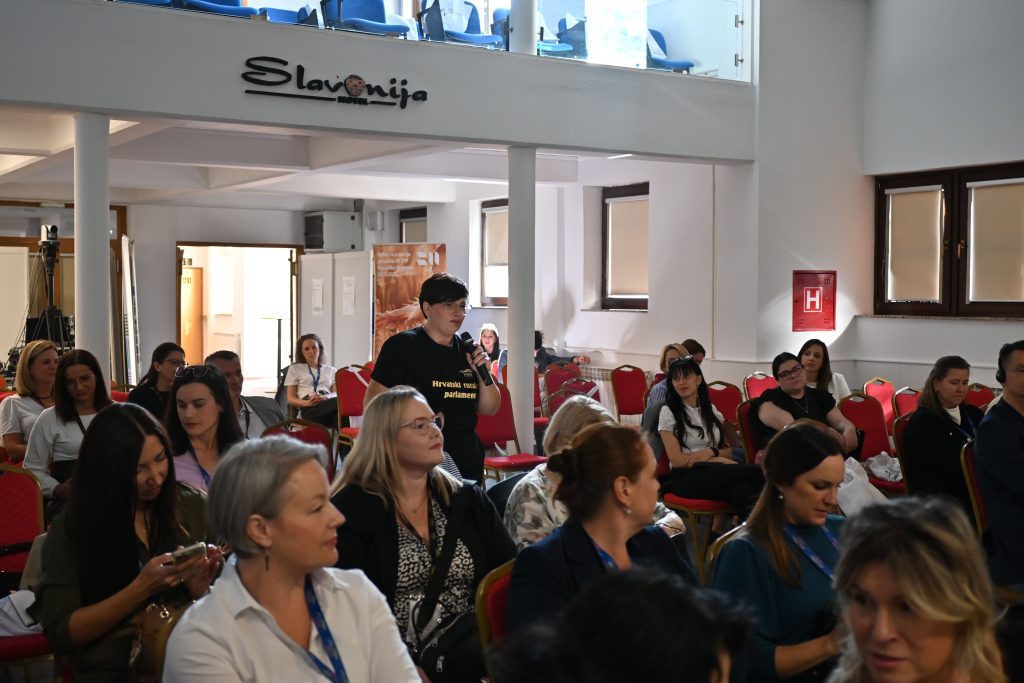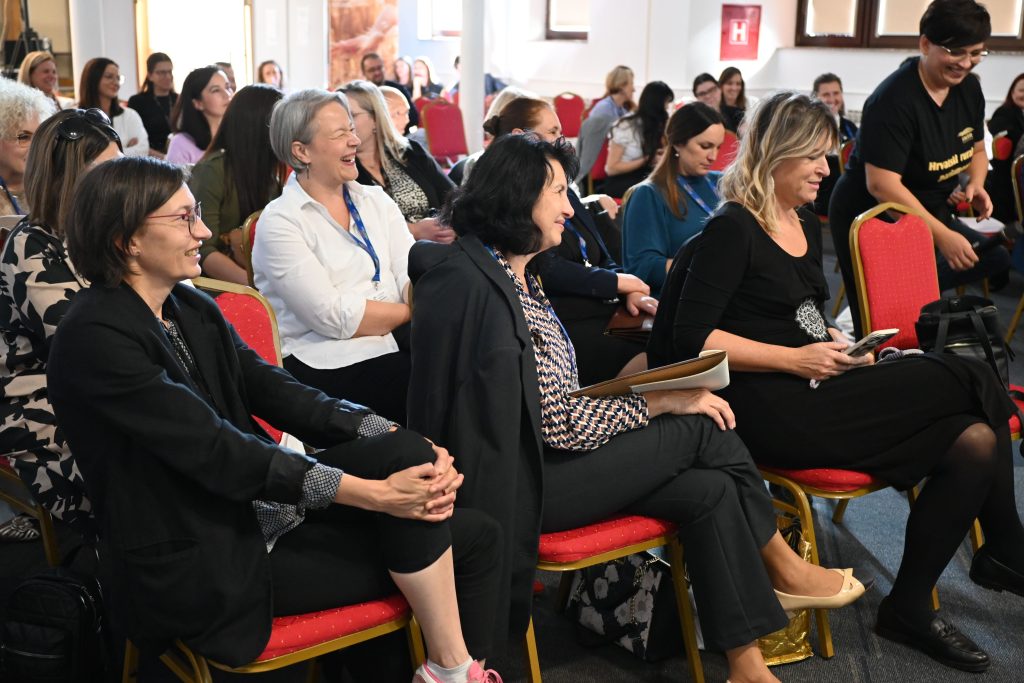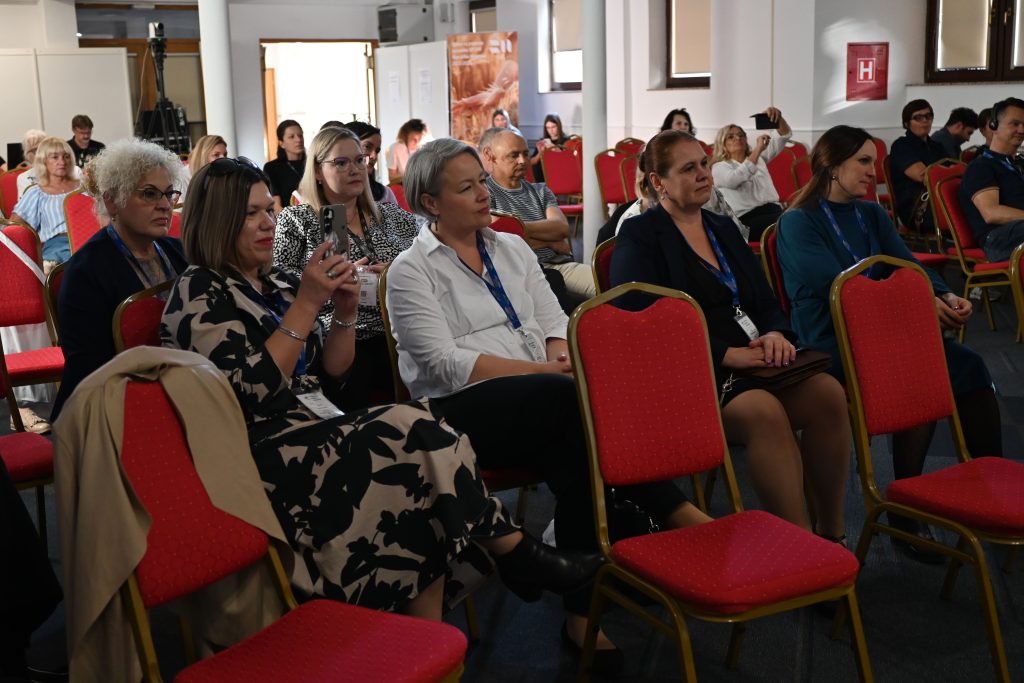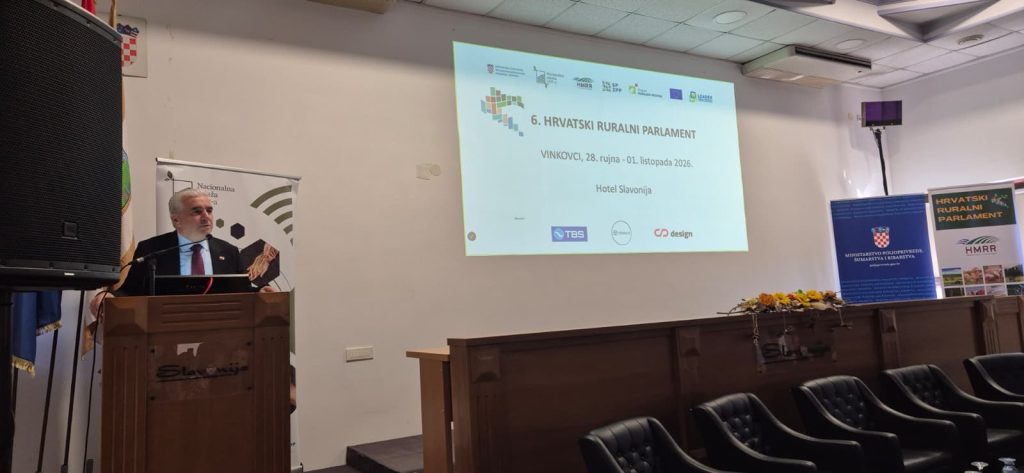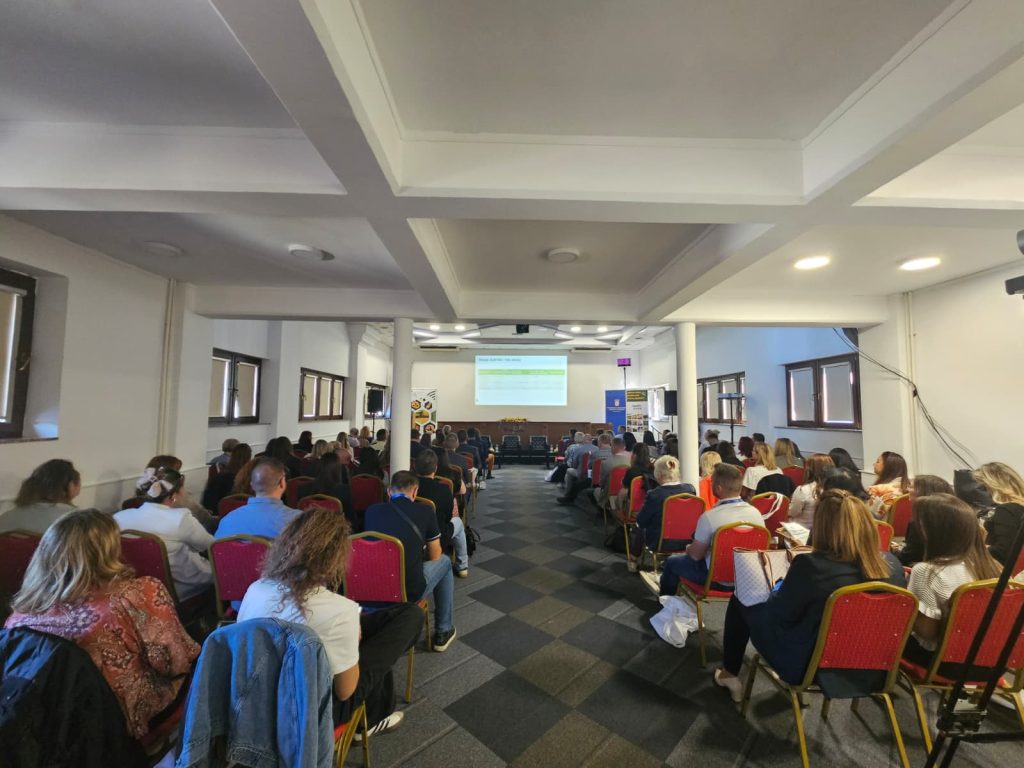
The 6th Croatian Rural Parliament was officially opened in Vinkovci on 29 September 2026, a national gathering dedicated to the future of Croatia’s rural areas. This year, the Croatian Rural Parliament is being held in Slavonia for the first time, bringing together representatives of rural communities, Local Action Groups, farmers, entrepreneurs, representatives of local and regional authorities, national and European institutions, the scientific and educational community, and civil society organisations.
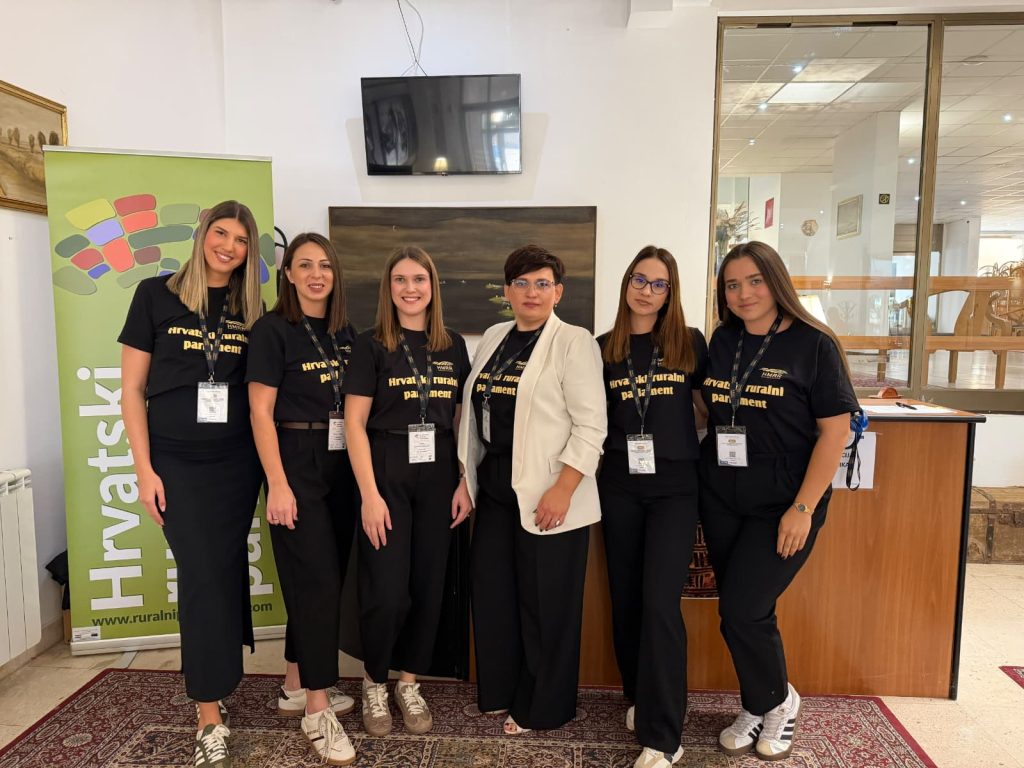
The 6th Croatian Rural Parliament is organised by the Croatian Rural Development Network, the Ministry of Agriculture, Forestry and Fisheries, the National Network of the Common Agricultural Policy, and the Croatian LEADER Network. The key topics of this year’s gathering include the future of rural areas and the Common Agricultural Policy after 2027, the position of young people and women, the contribution of the LEADER/CLLD approach, and the needs of local communities in the future programming period.
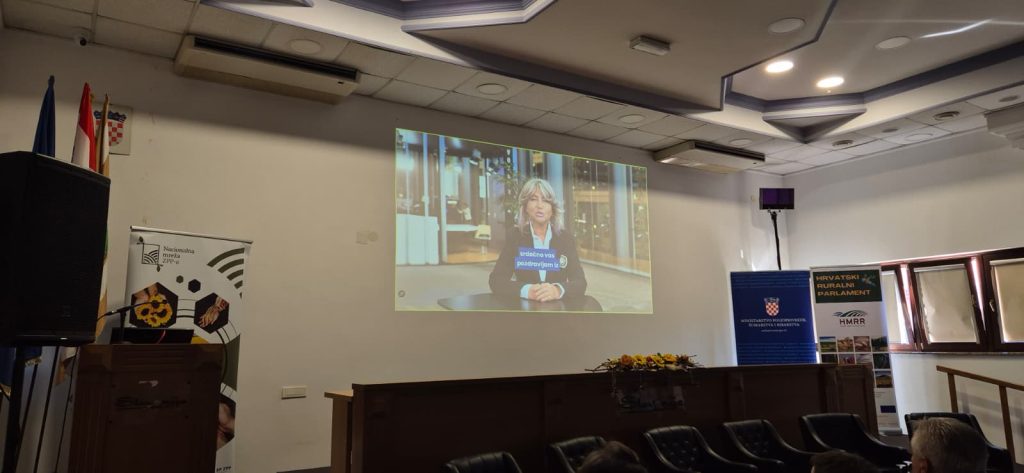
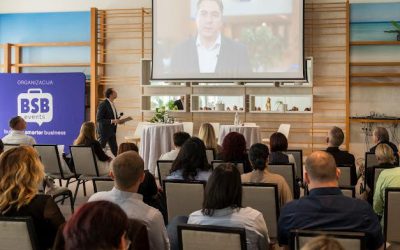
The ceremonial part of the programme began with welcoming addresses by representatives of the organisers and institutions. On behalf of the City of Vinkovci, host city of the 6th Croatian Rural Parliament, participants were addressed by Josip Barišić, Head of the Administrative Department for Economy. Participants were also addressed by Kristina Bilić, State Secretary at the Ministry of Regional Development and EU Funds, Marinko Beljo, State Secretary at the Ministry of Agriculture, Forestry and Fisheries, and Majda Burić, Member of the Croatian Parliament and envoy of the Speaker of the Croatian Parliament, Gordan Jandroković. Sunčana Glavak, Member of the European Parliament, addressed participants via video message.
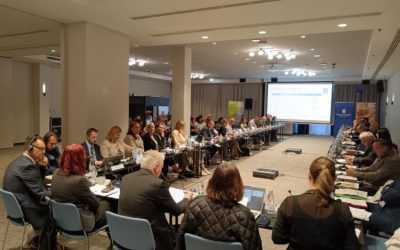
The first expert session focused on the current programming period and the future of the Common Agricultural Policy after 2027. Discussions addressed the effects of existing measures on rural areas, the future programming framework, and the importance of assessing the impact of public policies on rural areas – so-called rural proofing. Tom Jones from ERCA and Tihana Sudarić from the Faculty of Agrobiotechnical Sciences Osijek also shared their experience and perspectives on the current situation and development needs of rural areas.
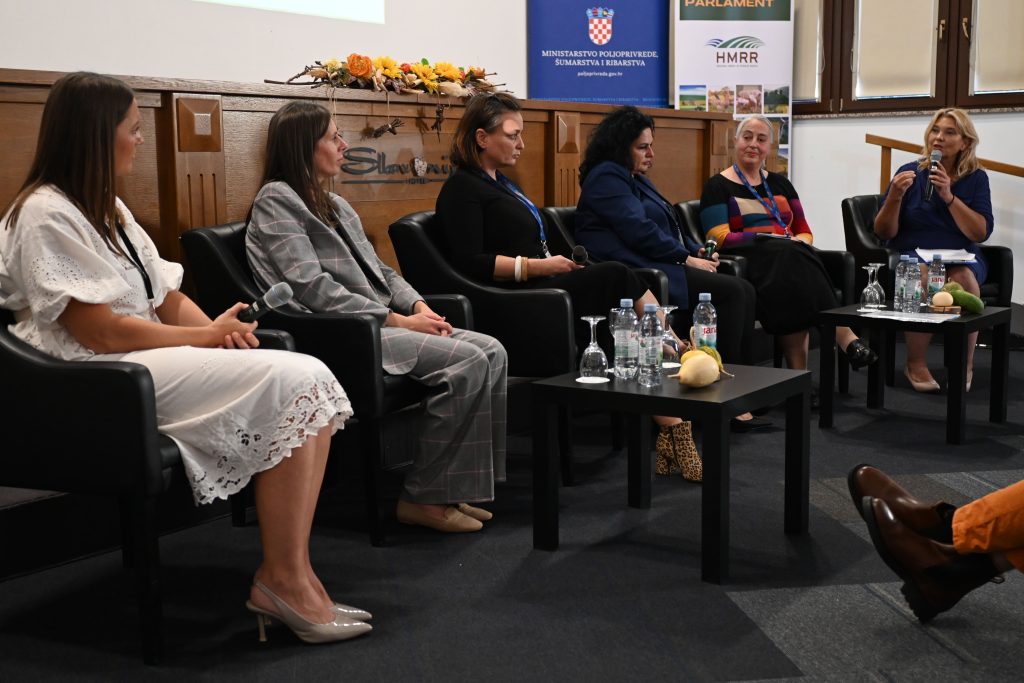
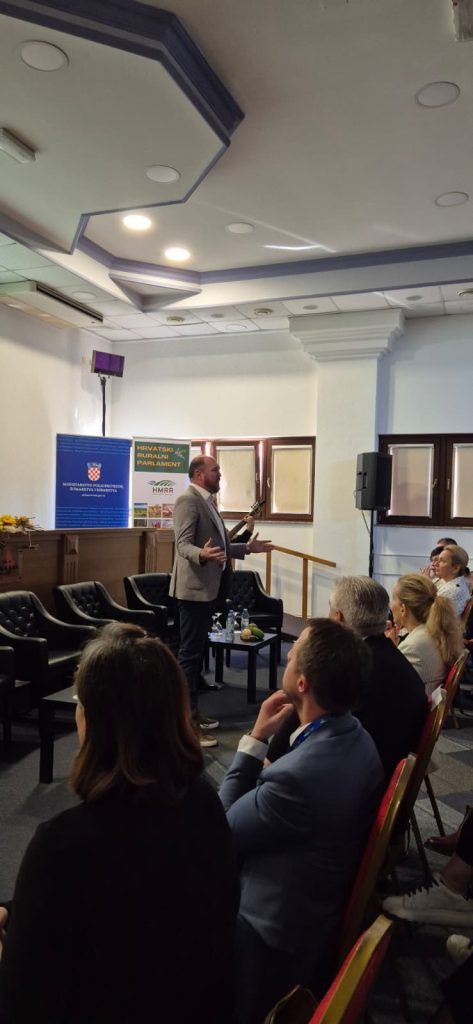
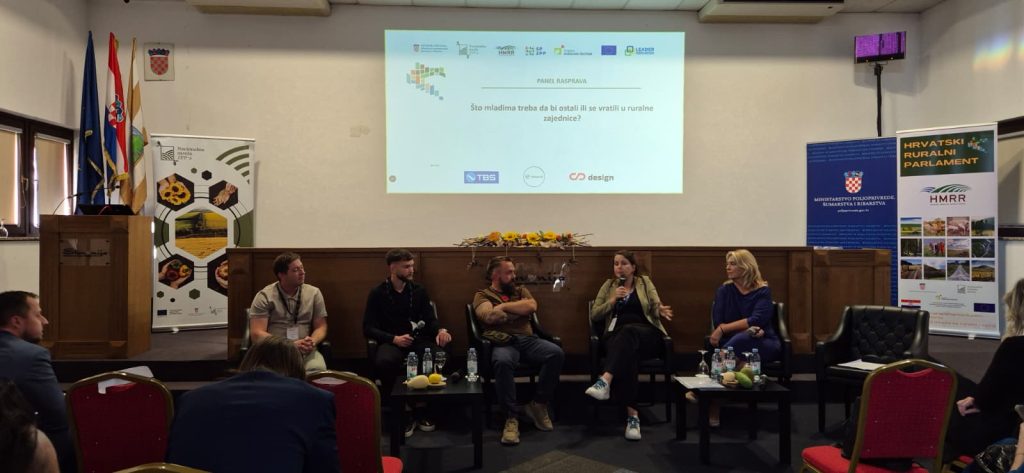
A significant part of the first day was dedicated to young people and their future in rural communities. Following presentations on previous investments in young people and the opportunities that rural areas can offer new generations, the panel discussion “What do young people need to stay in or return to rural communities?” was held. The discussion focused on the conditions needed for a good quality of life and work in rural areas, opportunities for starting and developing agricultural holdings, available support, market challenges, and stronger involvement of young people in local development.
The example of young beekeeper Adam Knežević demonstrated that young people are interested in developing their businesses in rural areas. His story was also featured in media reports from the Parliament. Knežević is continuing his family’s beekeeping tradition, while highlighting market conditions and competition from imported products as some of the challenges faced by domestic producers.
The afternoon programme focused on women in rural areas – their work, visibility, entrepreneurship and contribution to local communities. Marija Živković and Martina Šaravanja shared their experiences, followed by the panel discussion “Women as drivers of change in rural areas”. The discussion brought together representatives of agriculture, institutions and civil society and addressed the position of women, their economic and social role, and the conditions needed to enable women to remain, work and develop their businesses in rural areas.
Another important topic of the first day was the role of the LEADER approach and Local Action Groups, which, through direct work with local residents, identify the specific needs of their areas. HMRR President Verica Mušić emphasised the importance of LEADER’s contribution to rural development and the need for rural areas to have a stronger position in the new programming period.
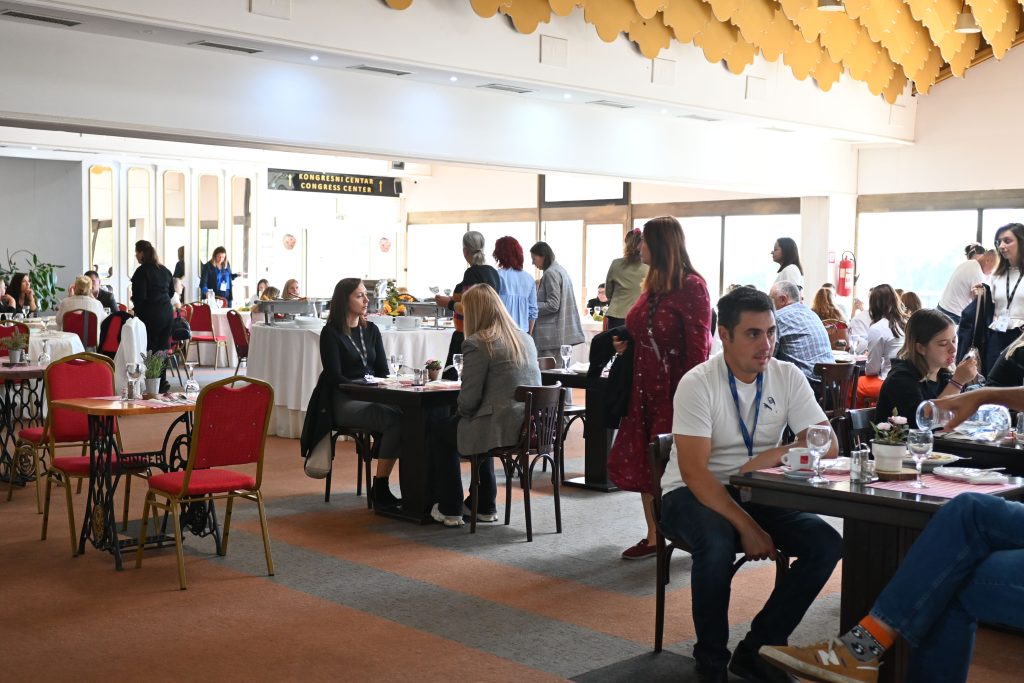
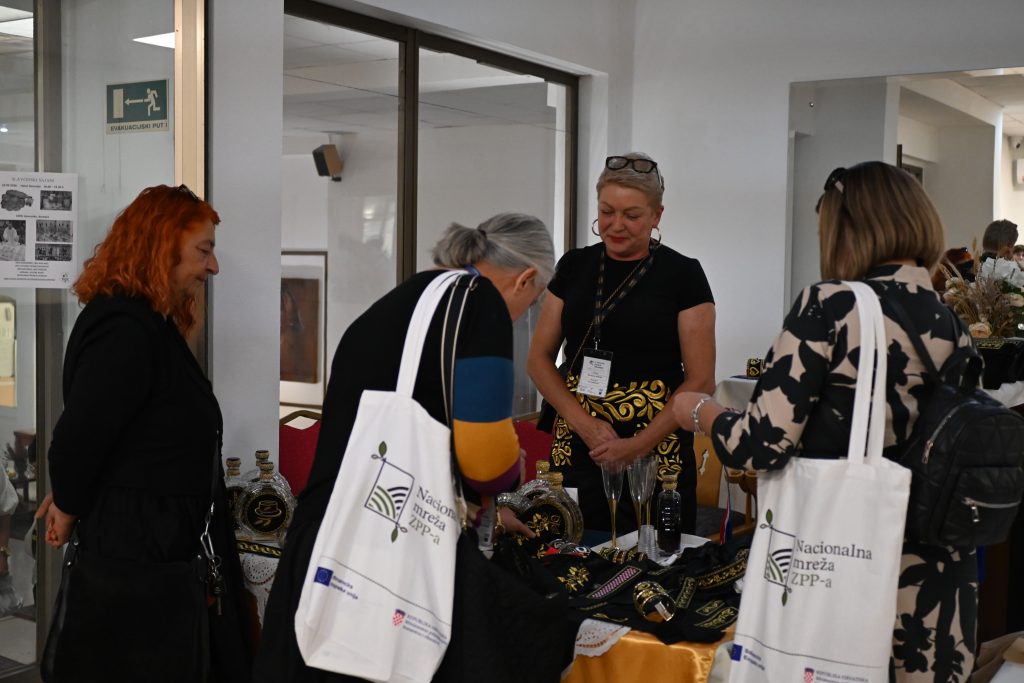
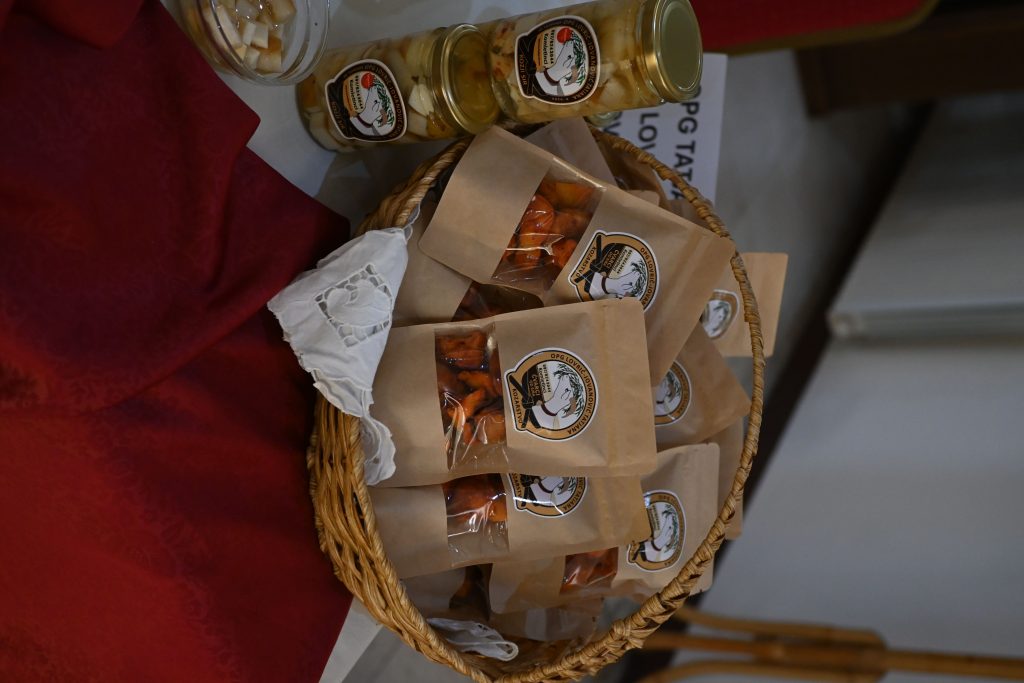
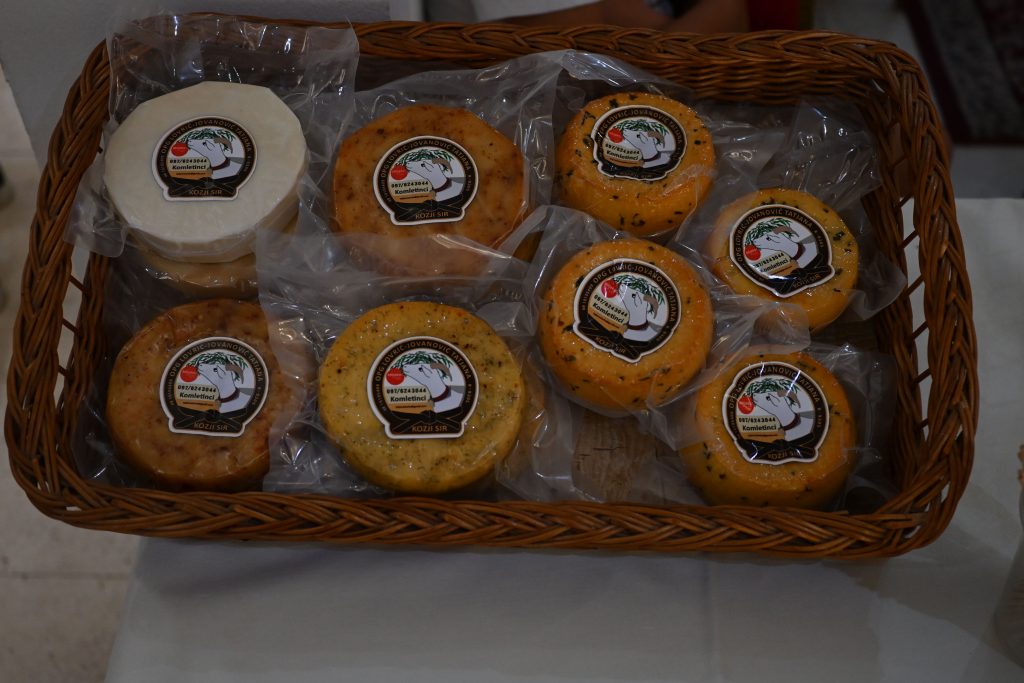
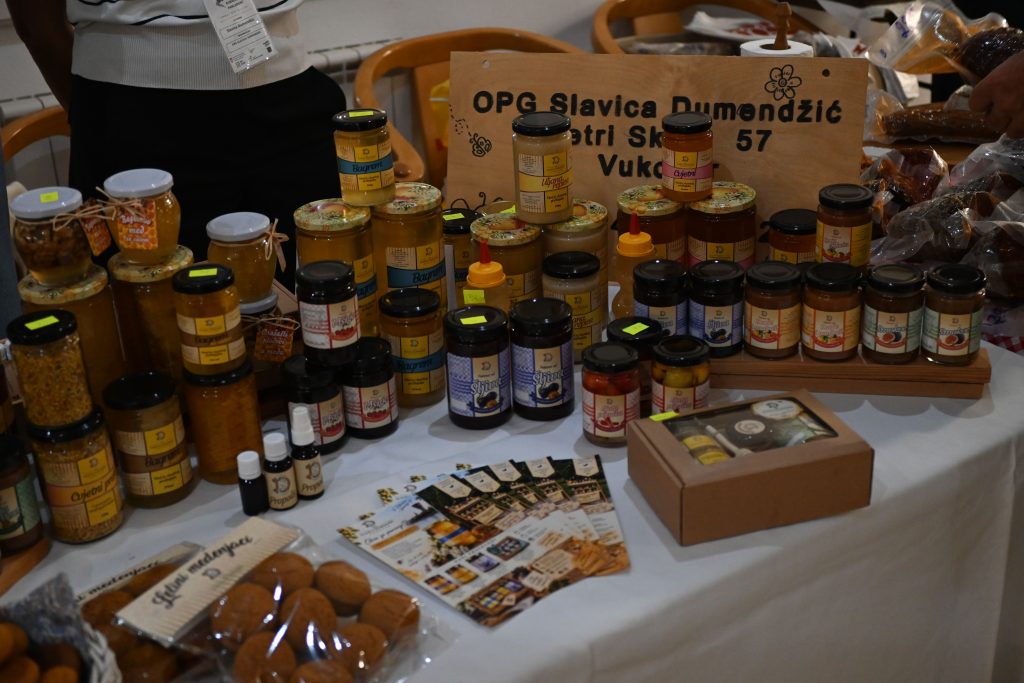
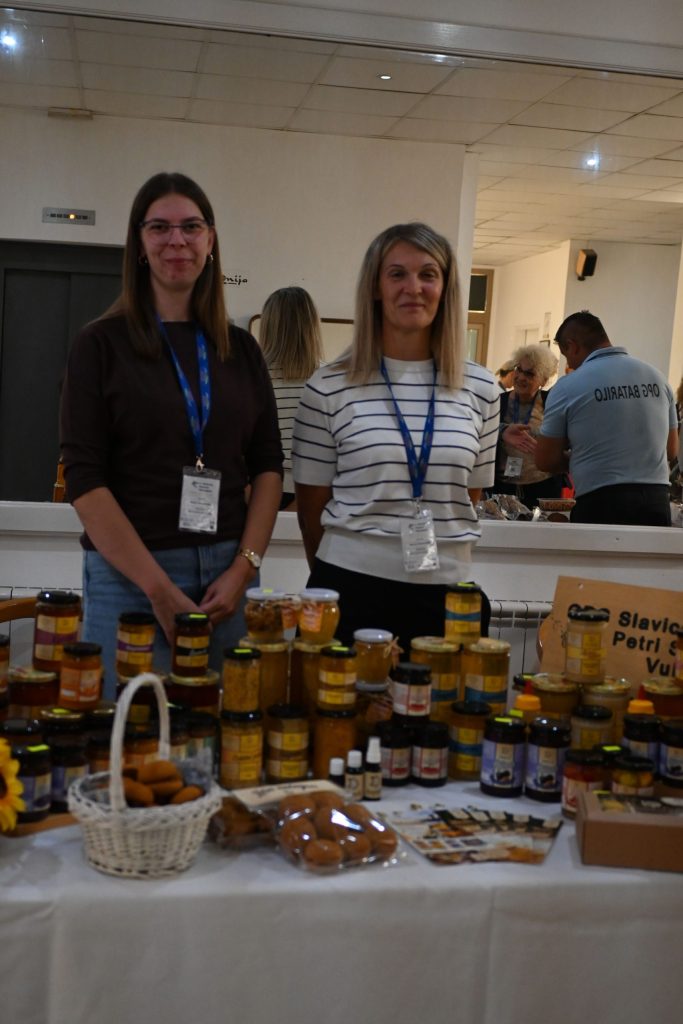
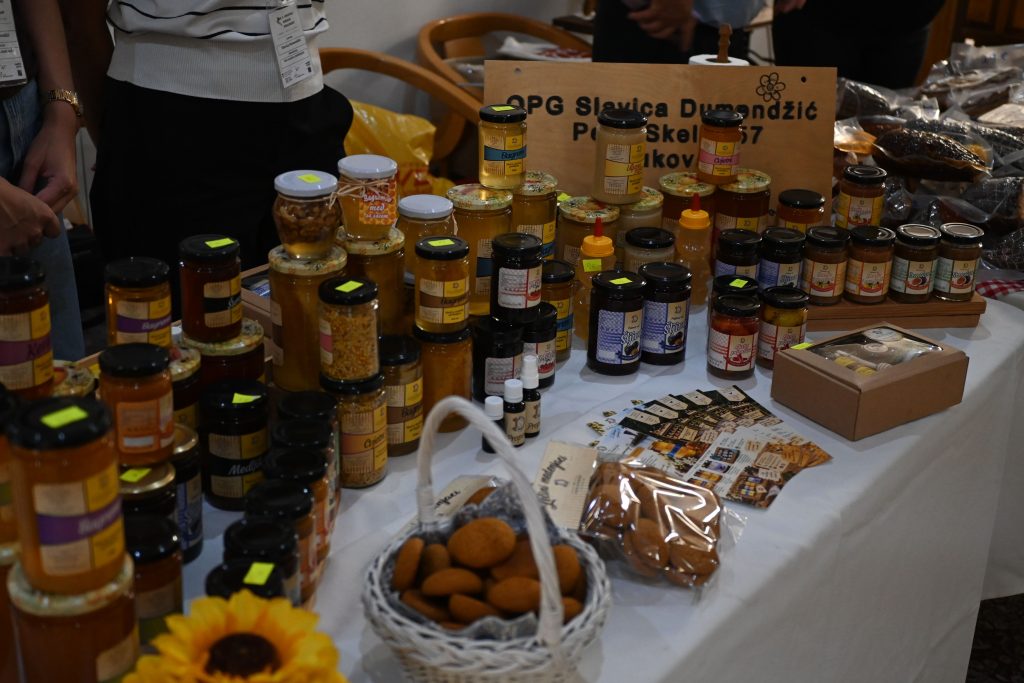
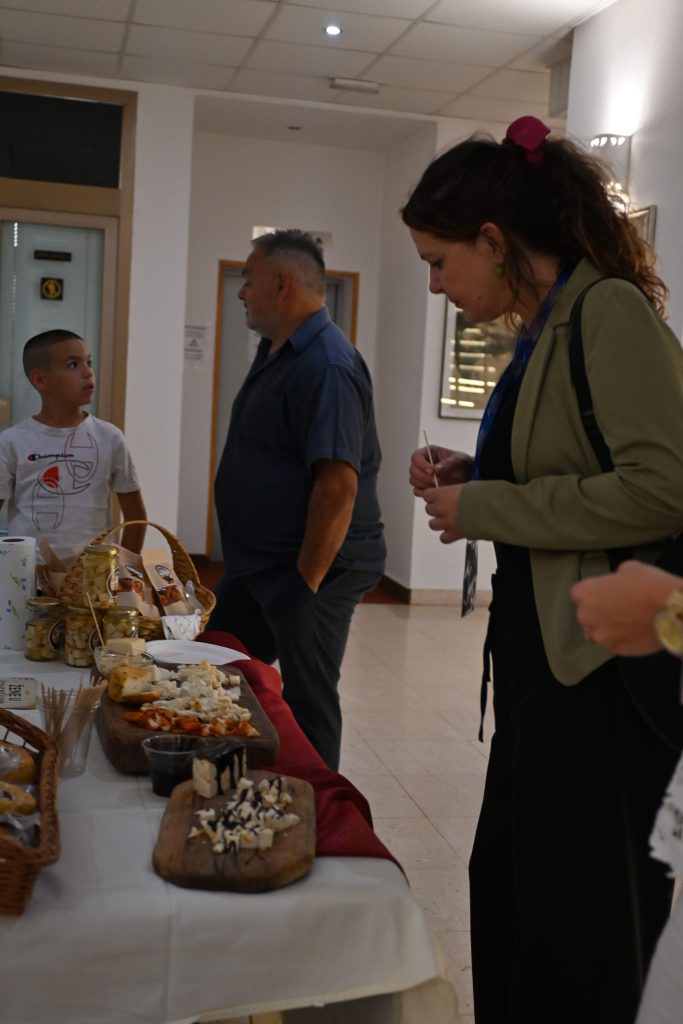
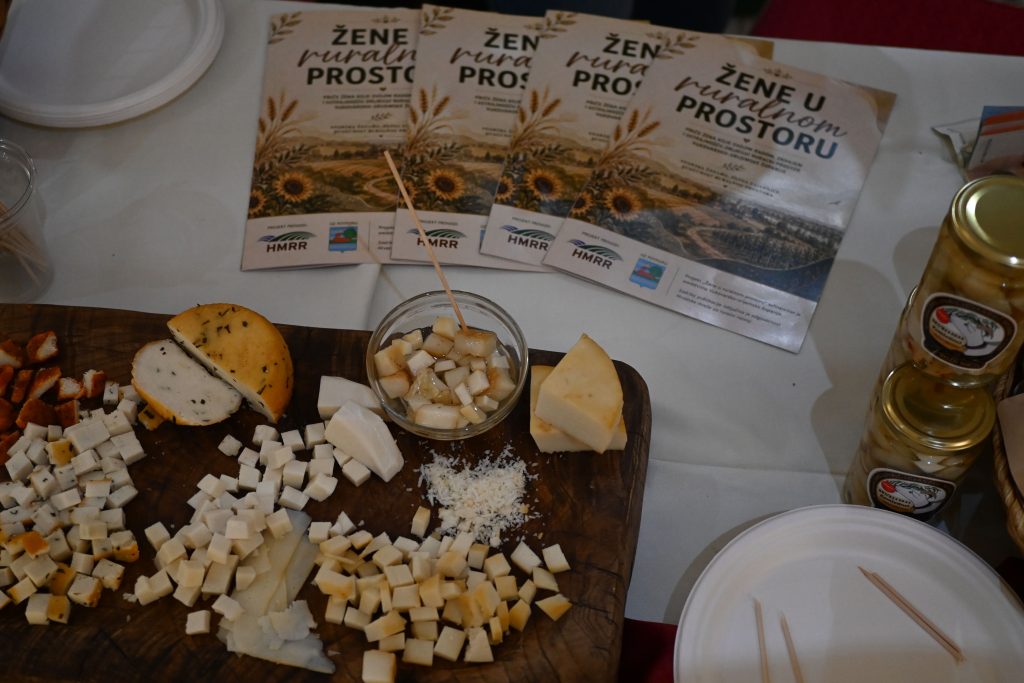
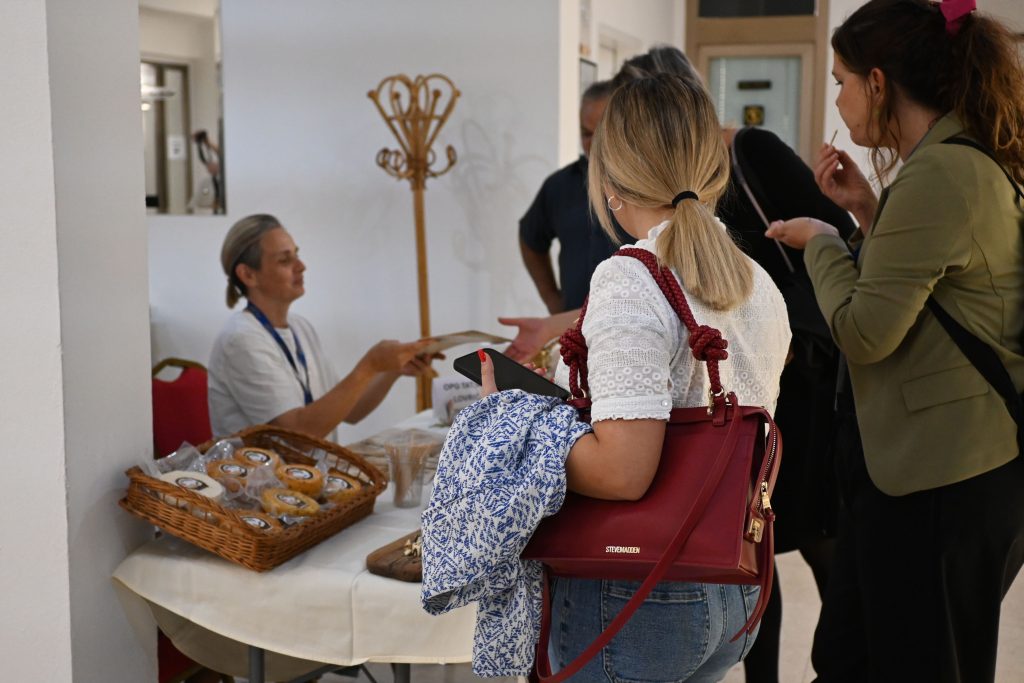
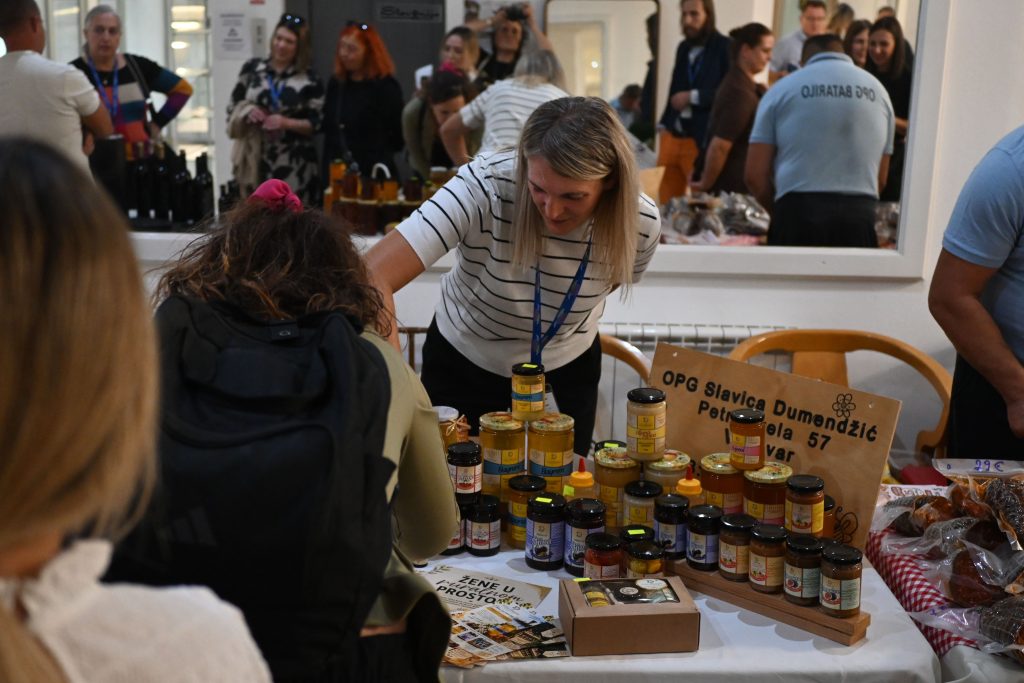
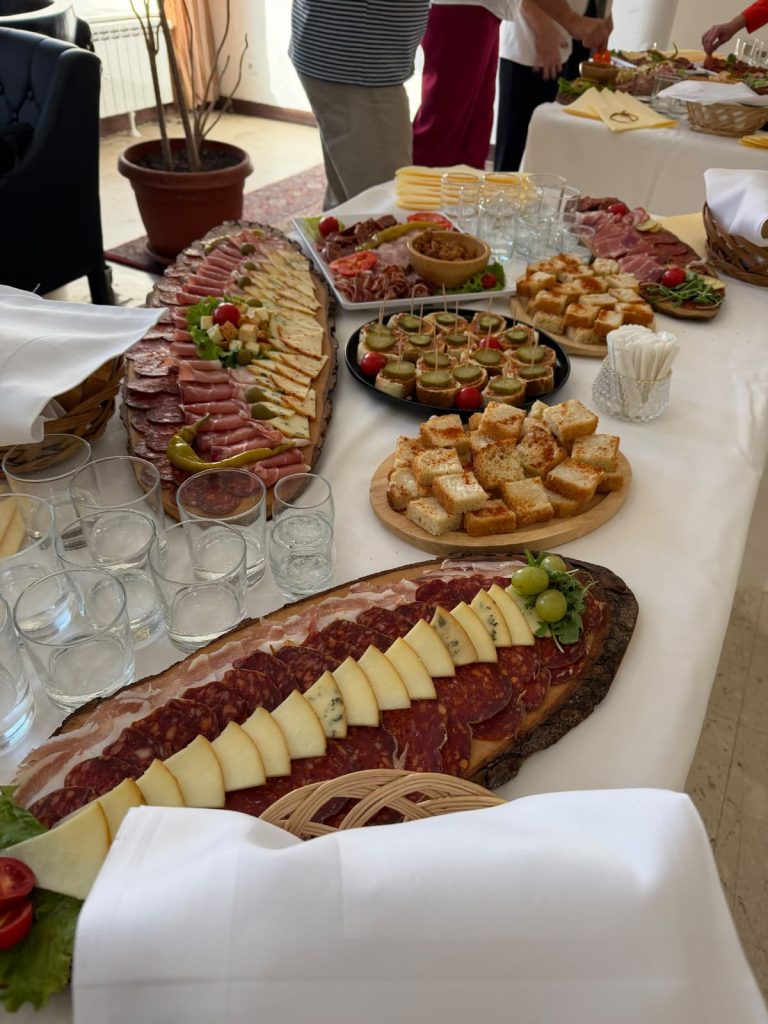
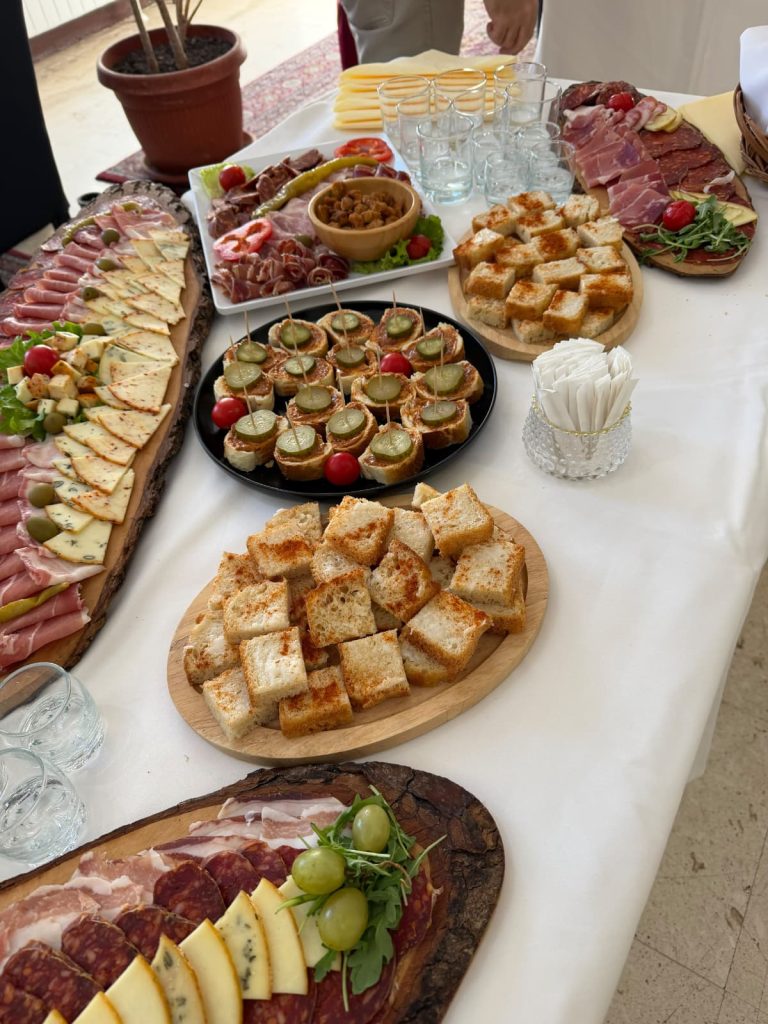
The first day concluded with a Local Products Fair and presentations of good practices, showcasing local products and local stories, followed by networking and informal exchange among participants.
The Croatian Rural Parliament continued on 30 September with a programme dedicated to LEADER Youth, the future of LEADER/CLLD and rural areas after 2027, as well as parallel activities through the Rural Café and three field workshops. The aim of all discussions is to jointly formulate concrete conclusions and recommendations based on the experiences and needs of people who live and work in rural areas.